
Neaho
2021-2023
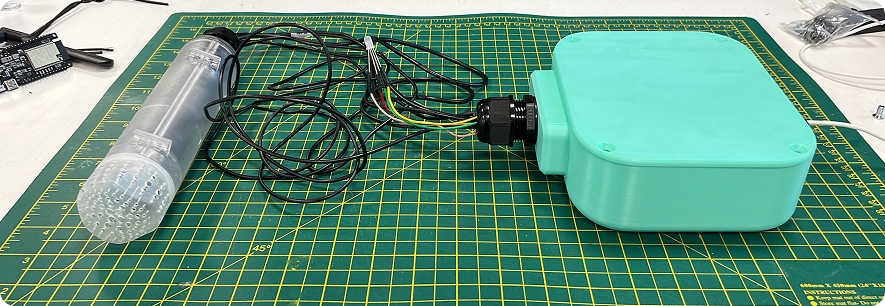
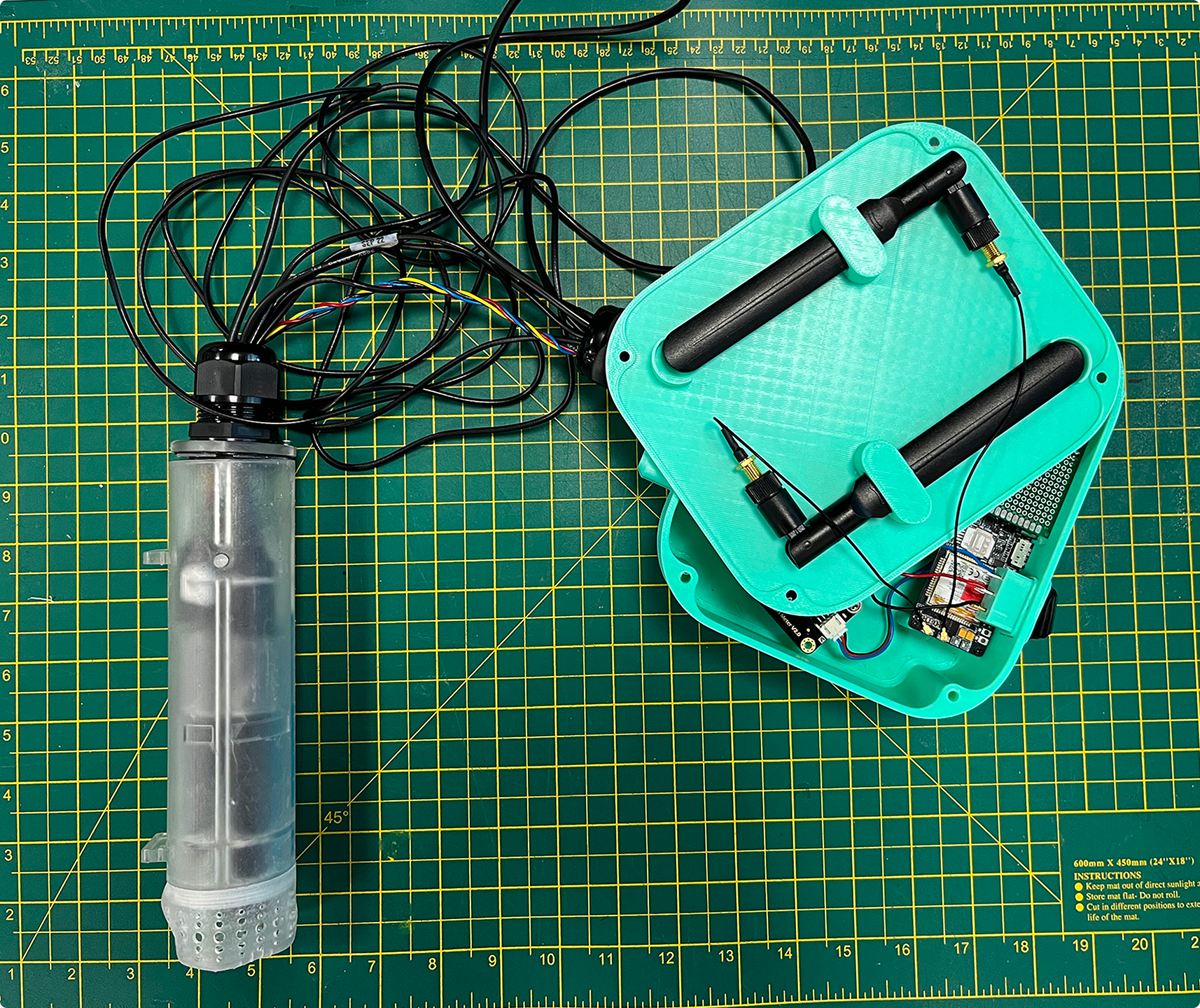
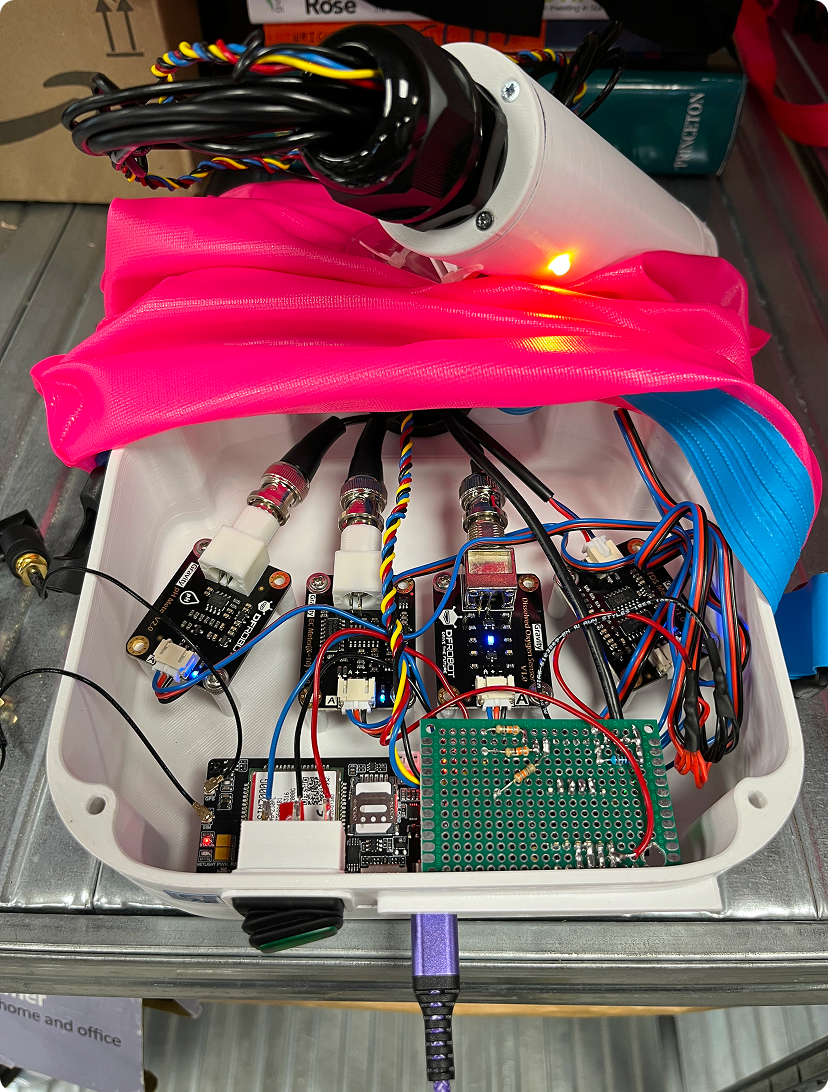
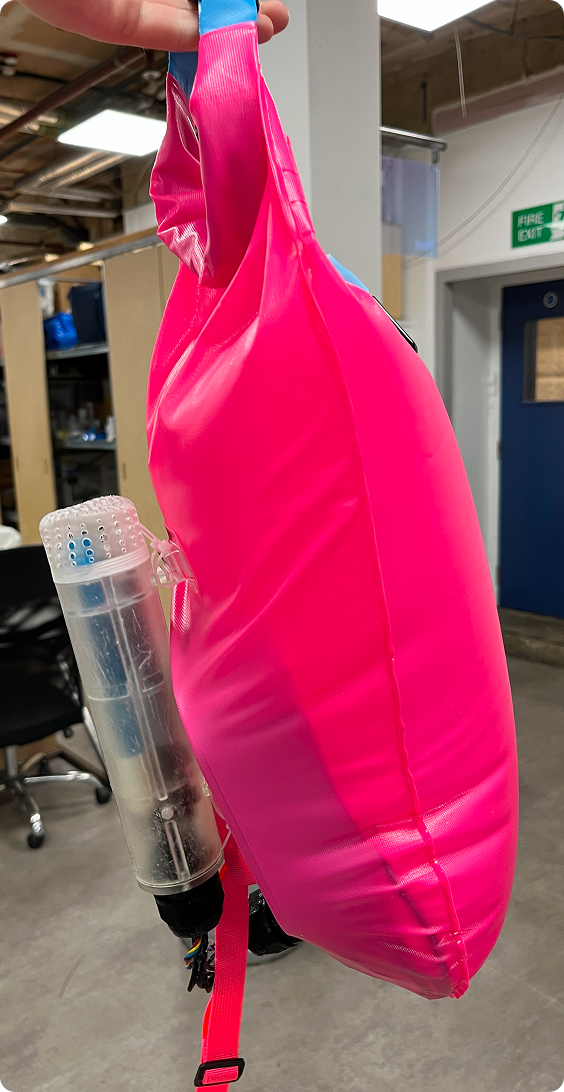
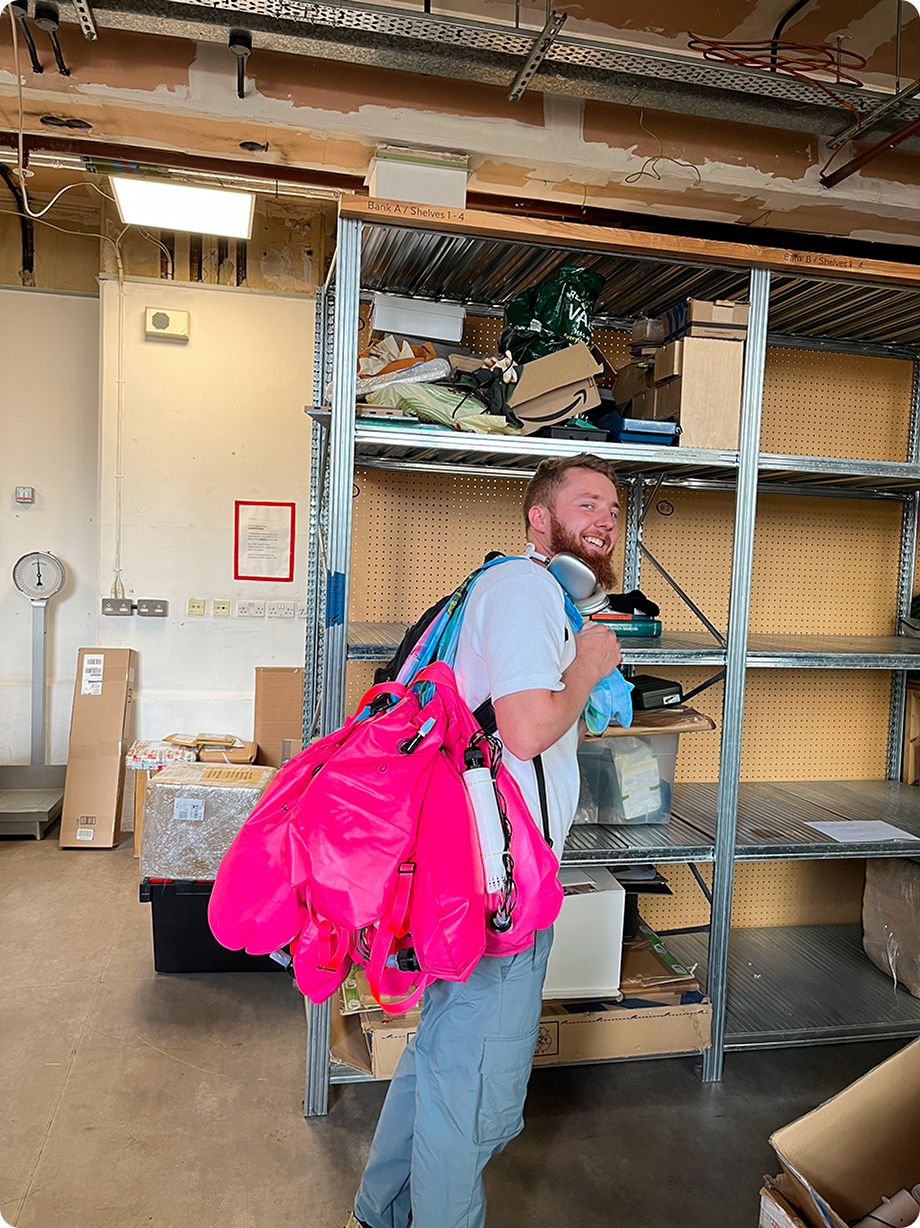
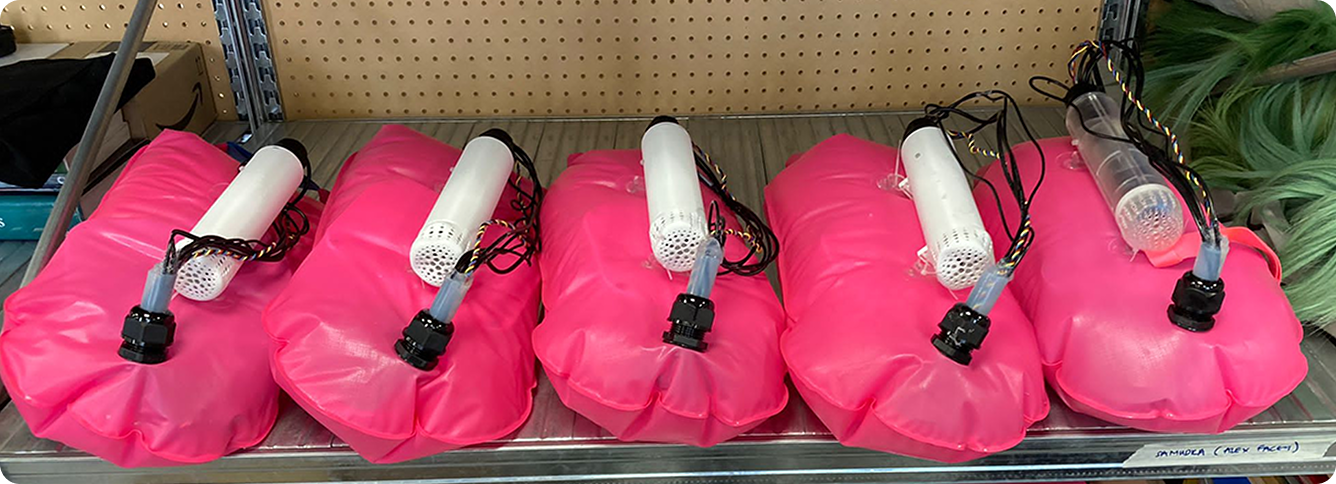
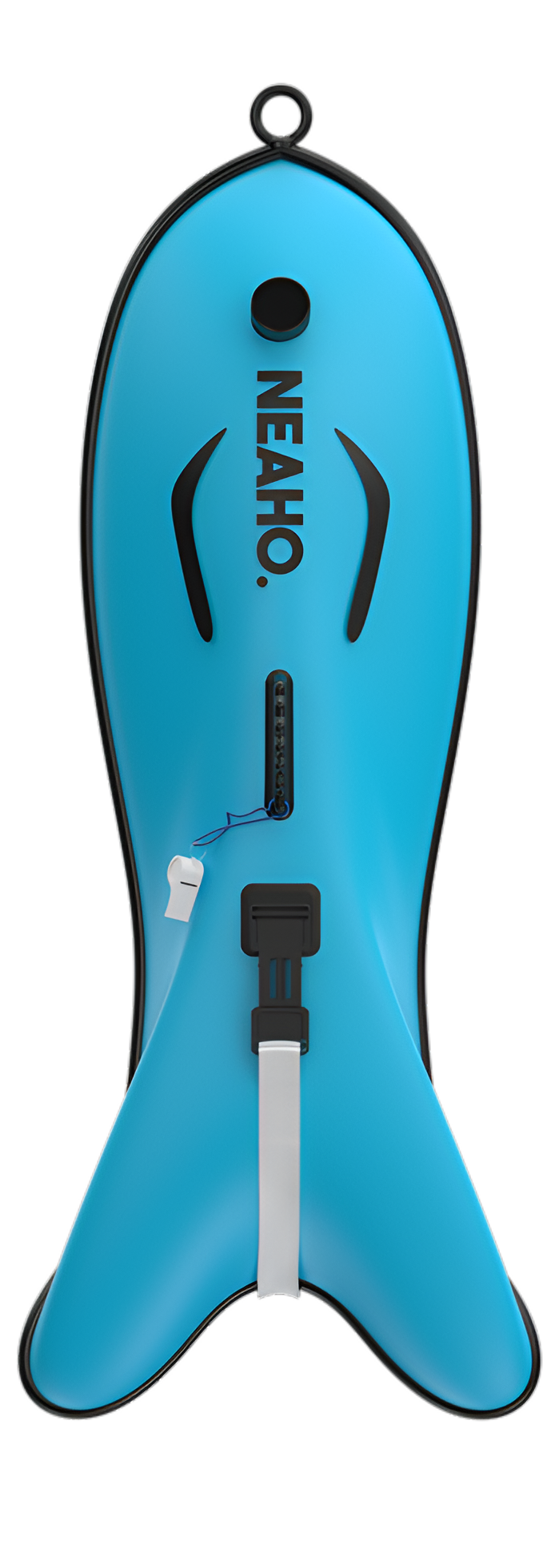
Neaho is a smart inflatable tow-float drybag designed to detect water pollution. Equipped with sensors on its belly and antennas on its 'scales', Neaho actively contributes to safeguarding both people and waterways, promoting environmental conservation efforts and empowering communities.



Problem
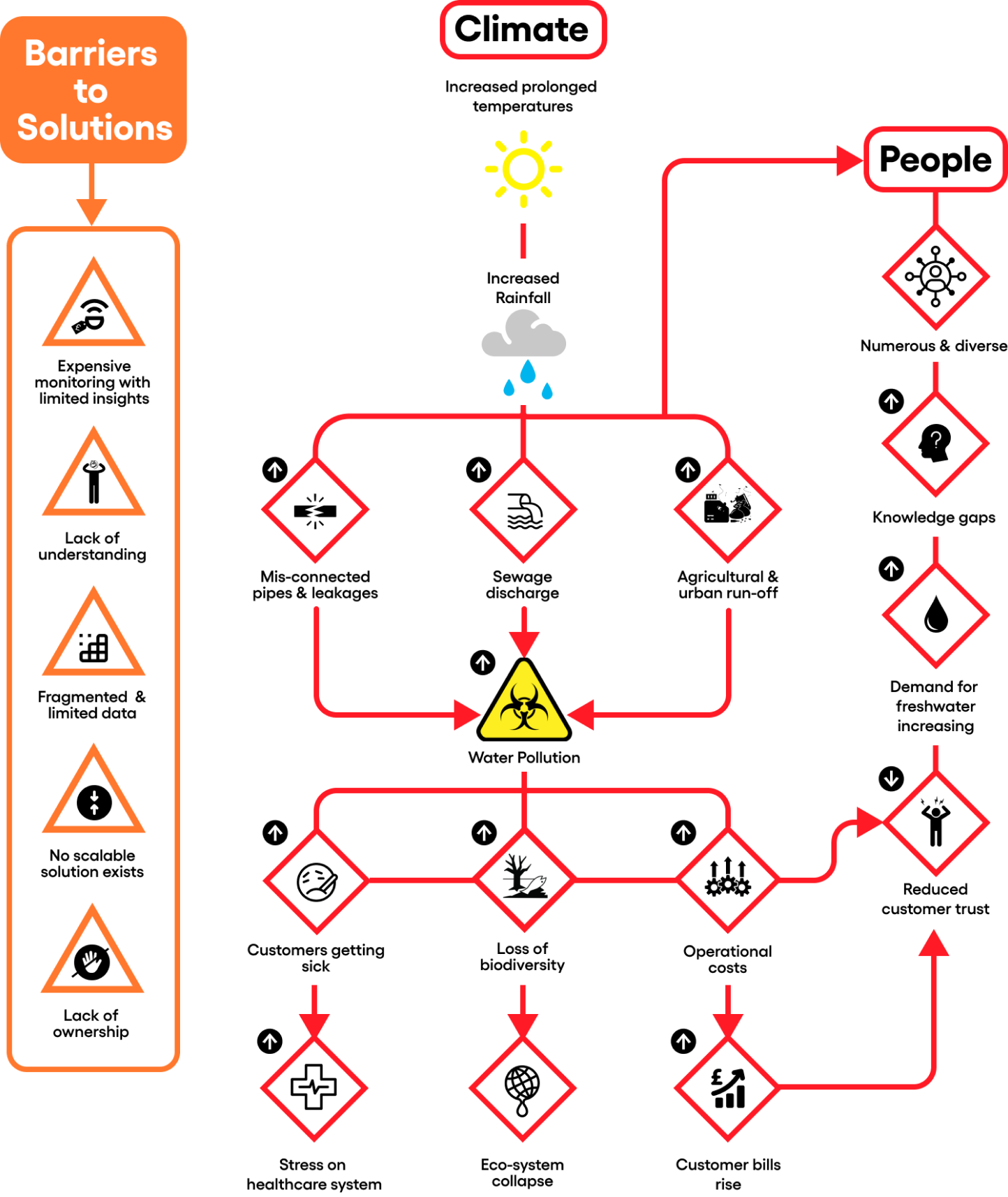

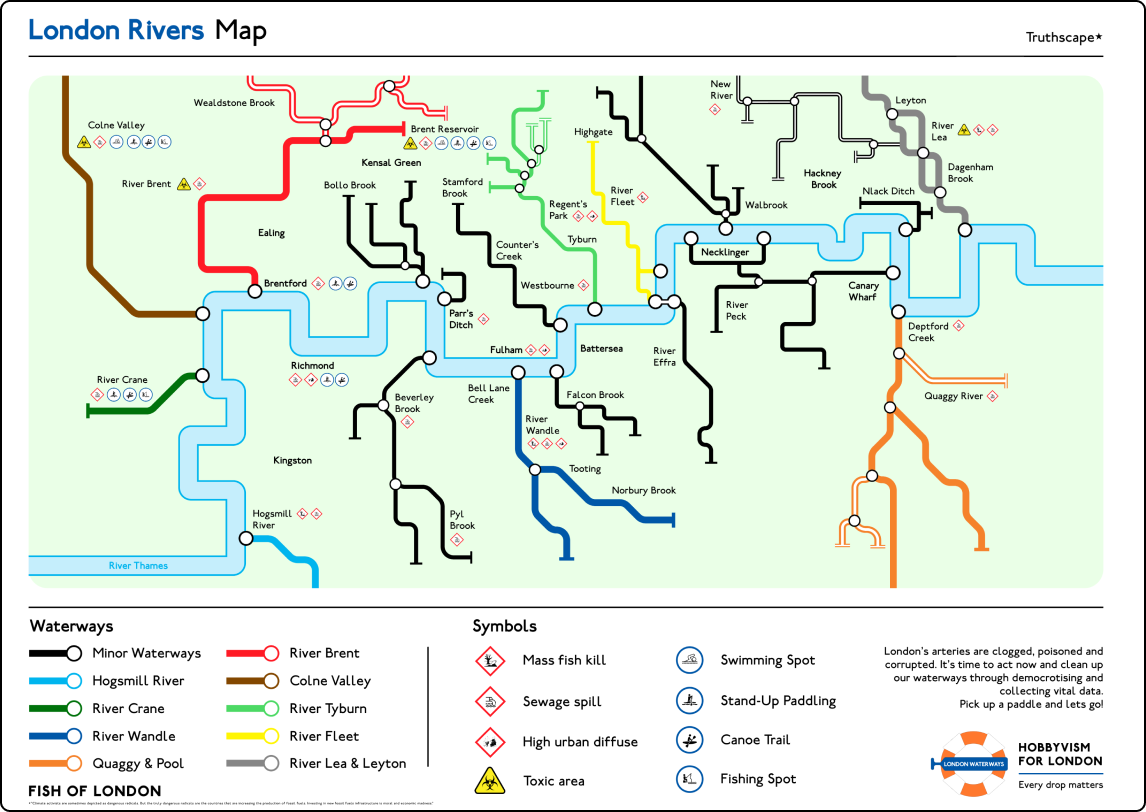
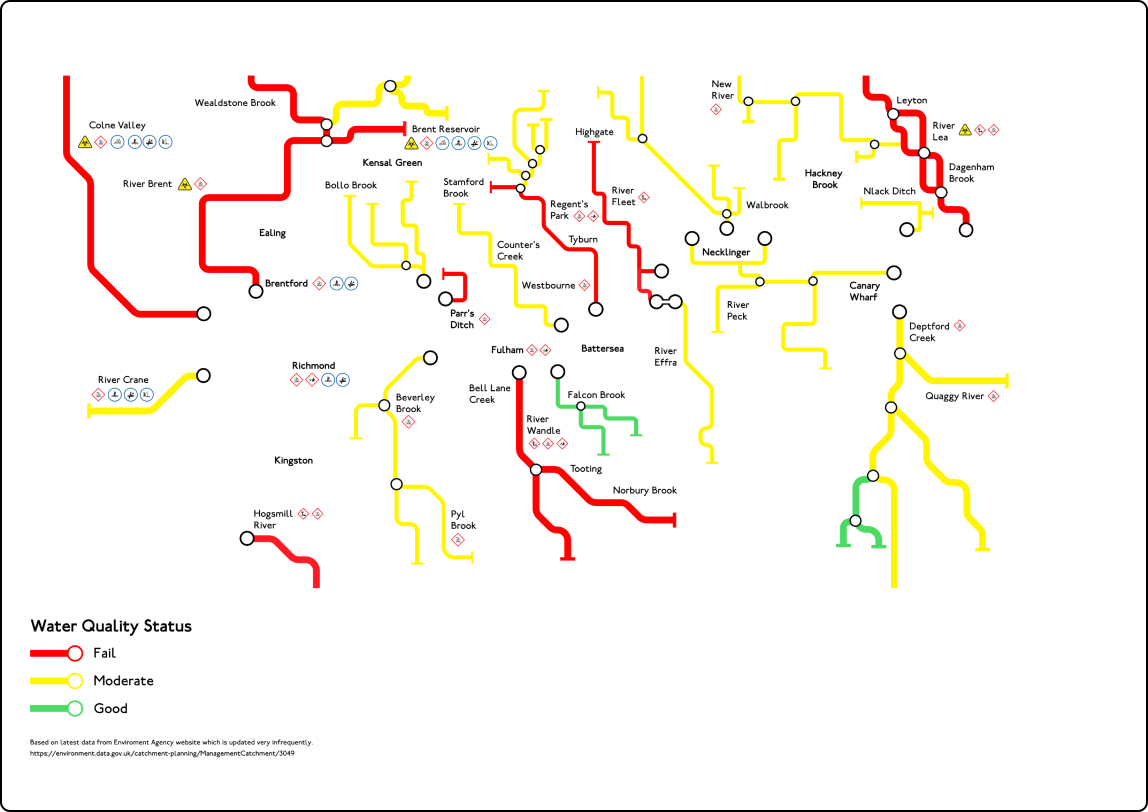
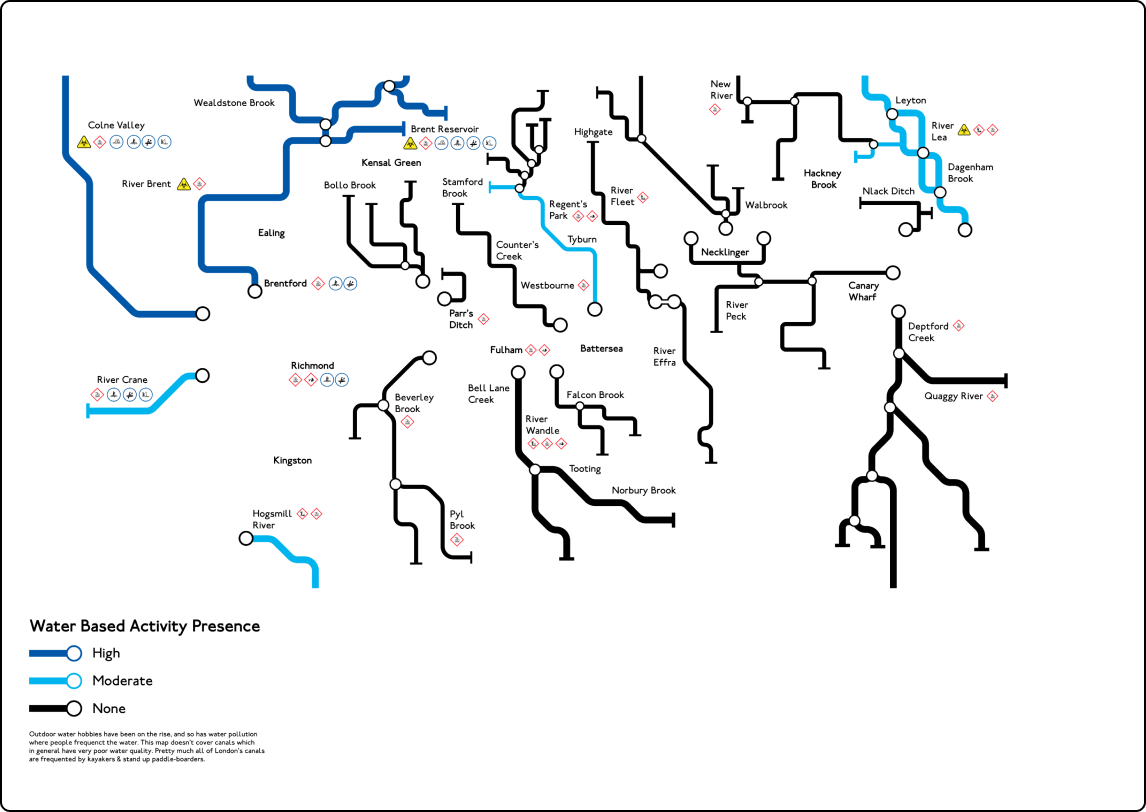

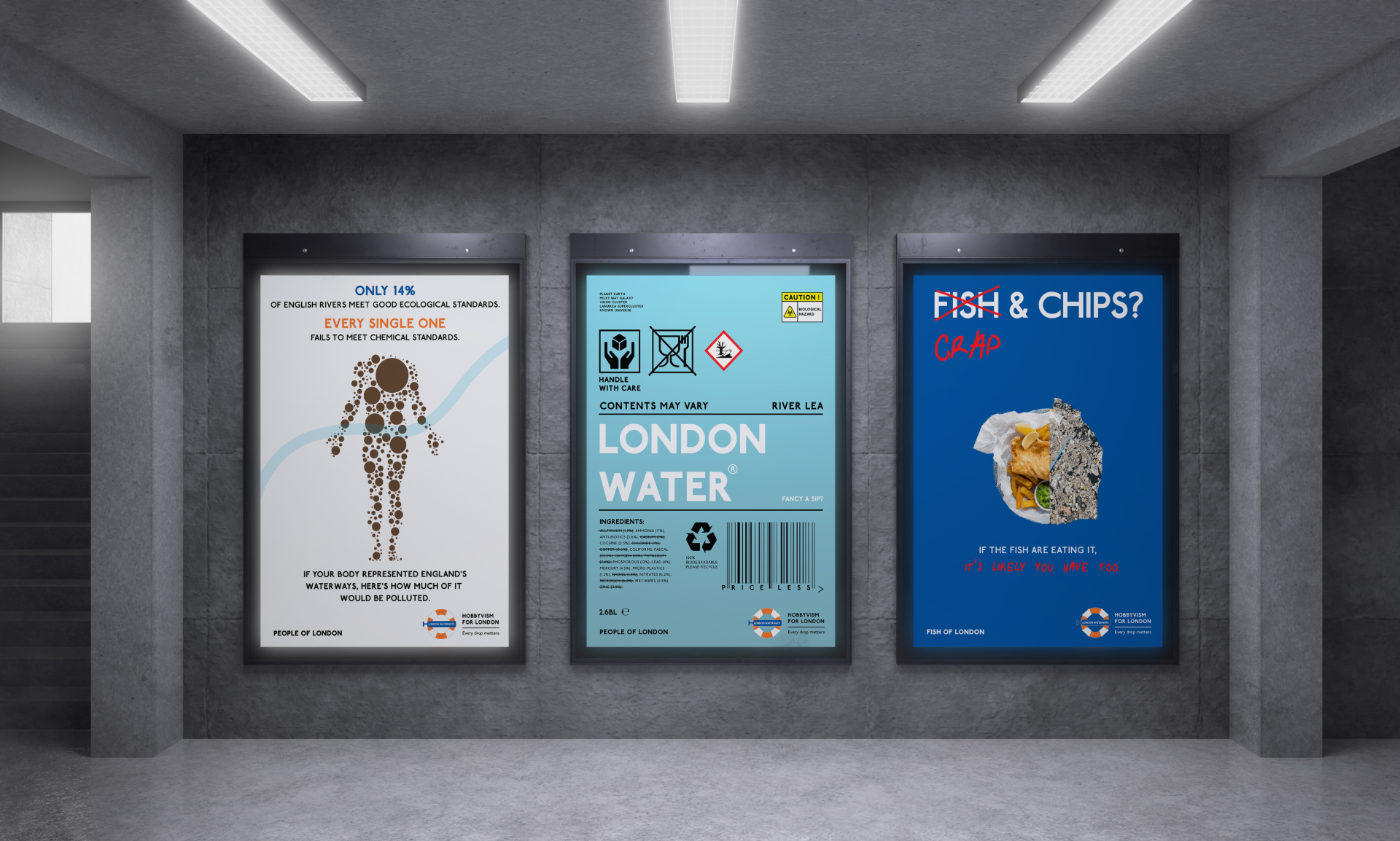
How can people of opposing ideologies and diverse backgrounds come together to tackle environmental issues at scale?
Eco-hobbyvism
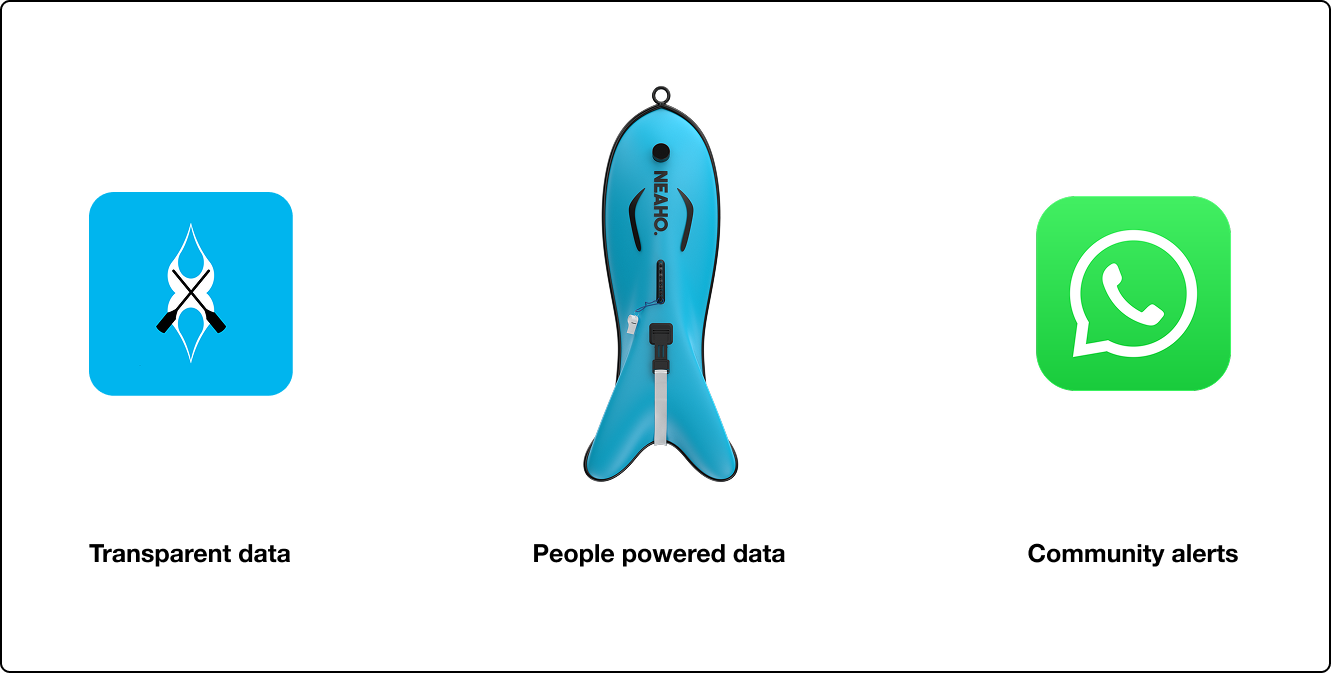
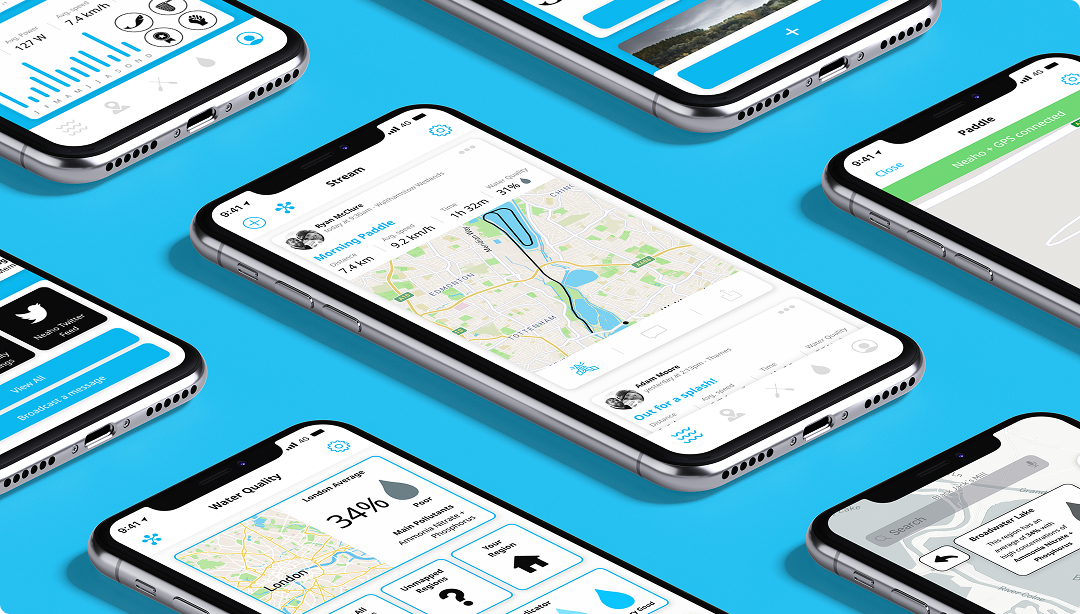
At the heart of the 'Hobbyvism Eco-System' are three interconnected tools: a mobile app that collects and distributes transparent environmental data; Neaho — a smart tow-float dry bag that enables people-powered water quality sensing; and a WhatsApp bot that delivers real-time community alerts on pollution type and location.
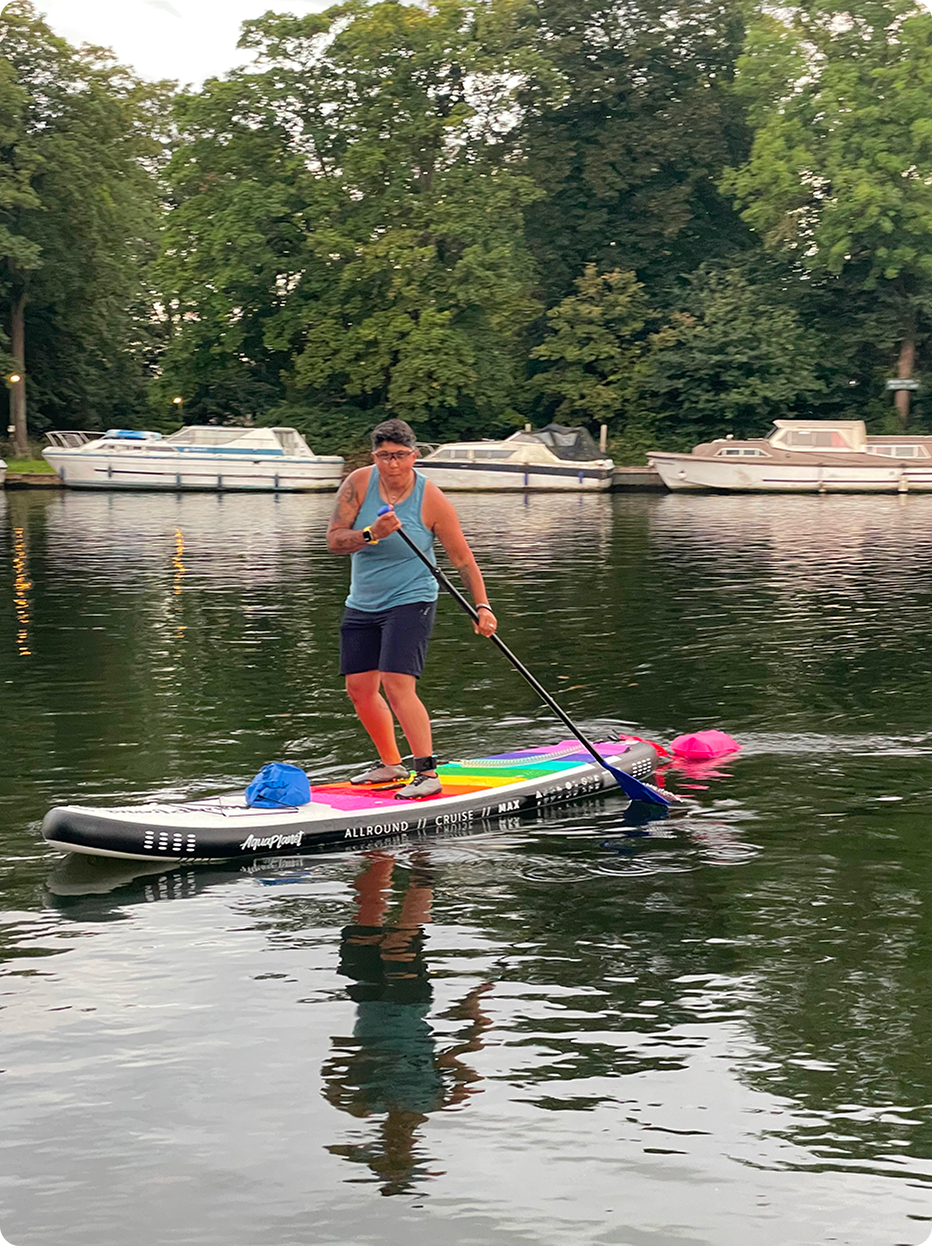
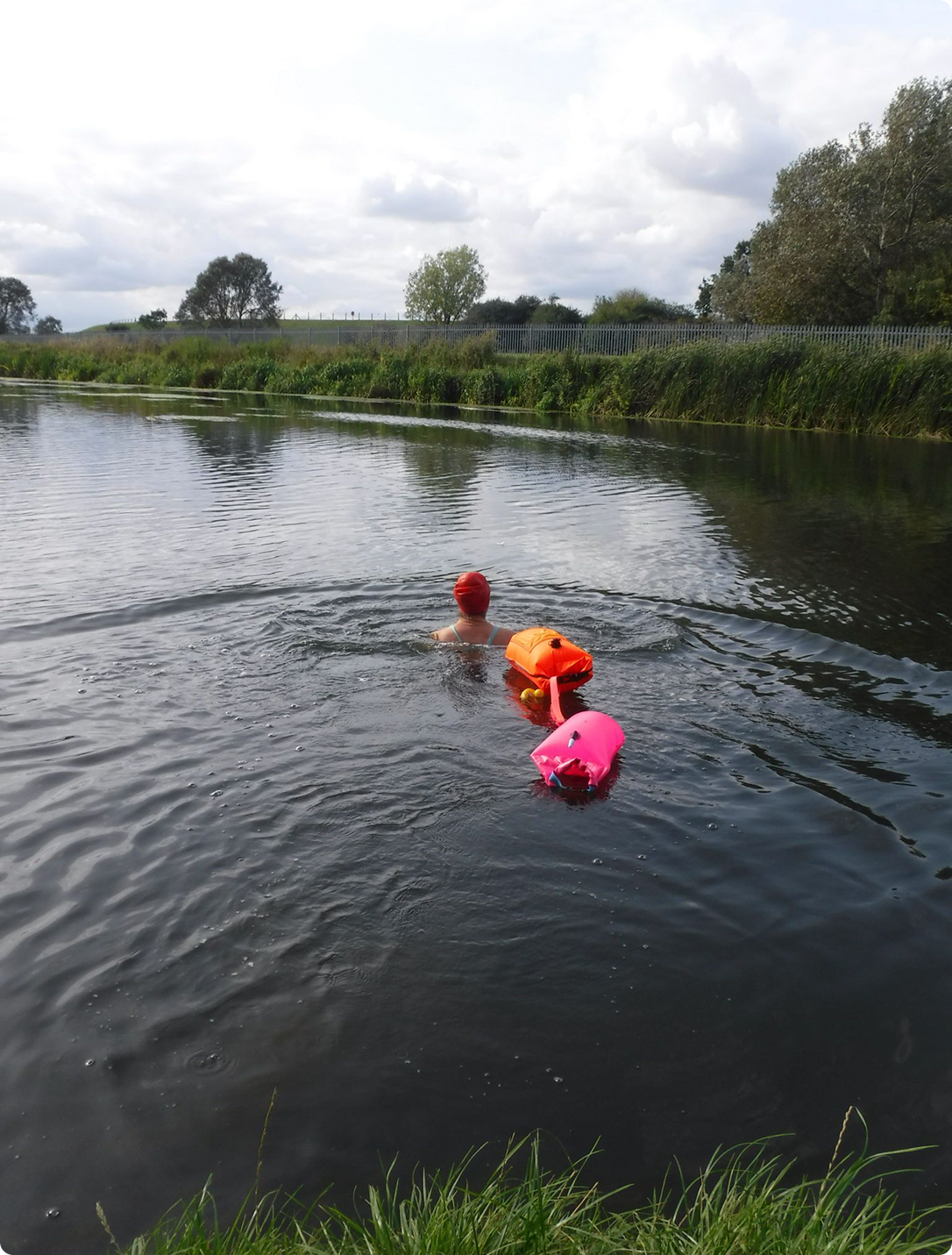
Neaho champions a movement I call eco-hobbyvism — the fusion of everyday leisure activities with environmental activism. It invites swimmers, paddleboarders, and outdoor enthusiasts to become accidental scientists, generating data while doing what they love. This approach reimagines consumer products not as passive commodities, but as instruments for ecological participation.
By supporting citizen science through accessible design, Neaho empowers communities to monitor and respond to local environmental issues — transforming passive recreation into active stewardship.
Pilot Study
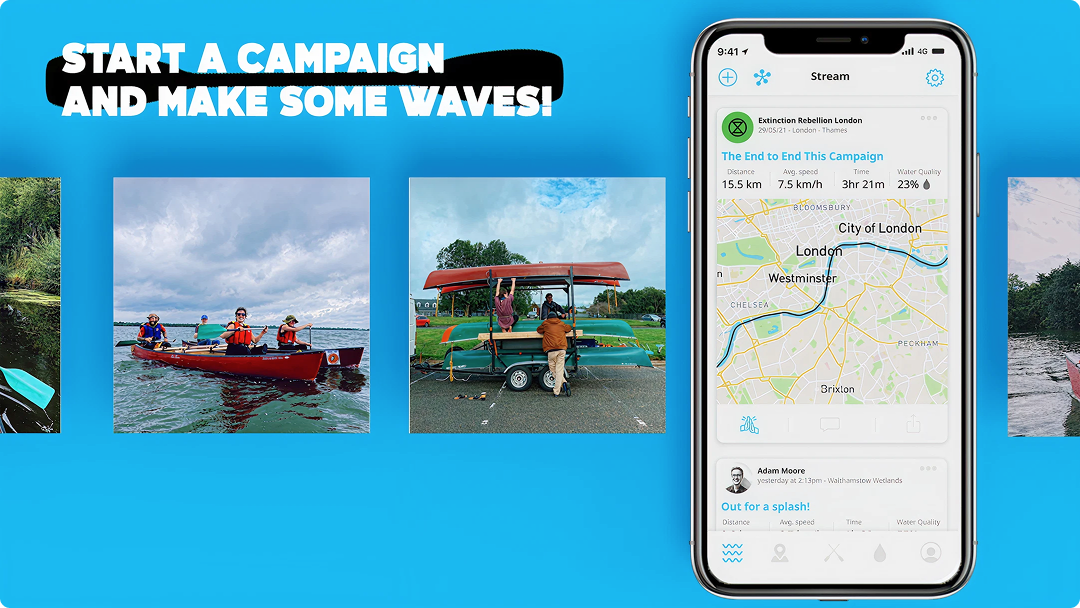
The Hobbyvism Eco-System proved successful in enabling community-driven environmental monitoring through an accessible and scalable toolkit. By integrating geo-spatial datasets, local water asset records, and land-use data, the system provided contextual awareness of environmental vulnerabilities. Through a method of soft sensing — using proxy indicators such as conductivity, temperature, and behavioural patterns — the platform could intelligently infer the type, location, and severity of pollution events.
This hybrid approach allowed for early detection of issues such as agricultural runoff and sewer overflows, offering actionable insights without requiring costly infrastructure. The project demonstrated strong proof of concept and has shown significant potential for further development — particularly as a modular, community-led system that can be adapted to diverse ecosystems and regions.