
SWIM
2023
Traditional knowledge meets robotics: accessible technologies for environmental monitoring with indigenous communities in the Amazon.

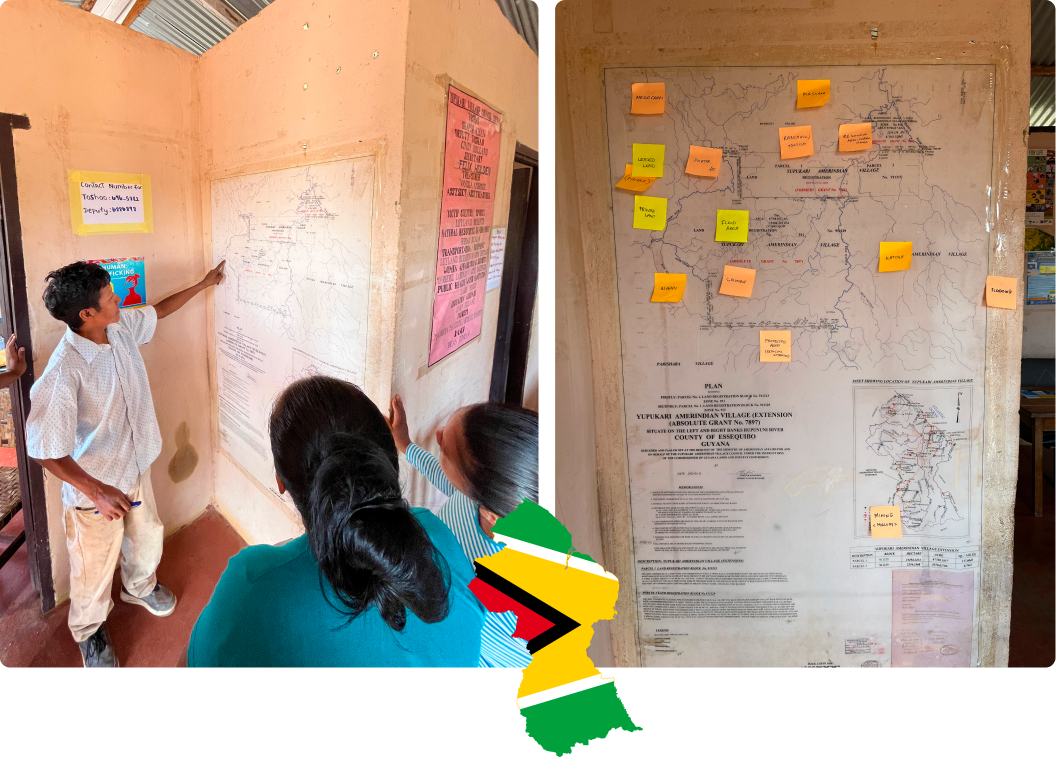
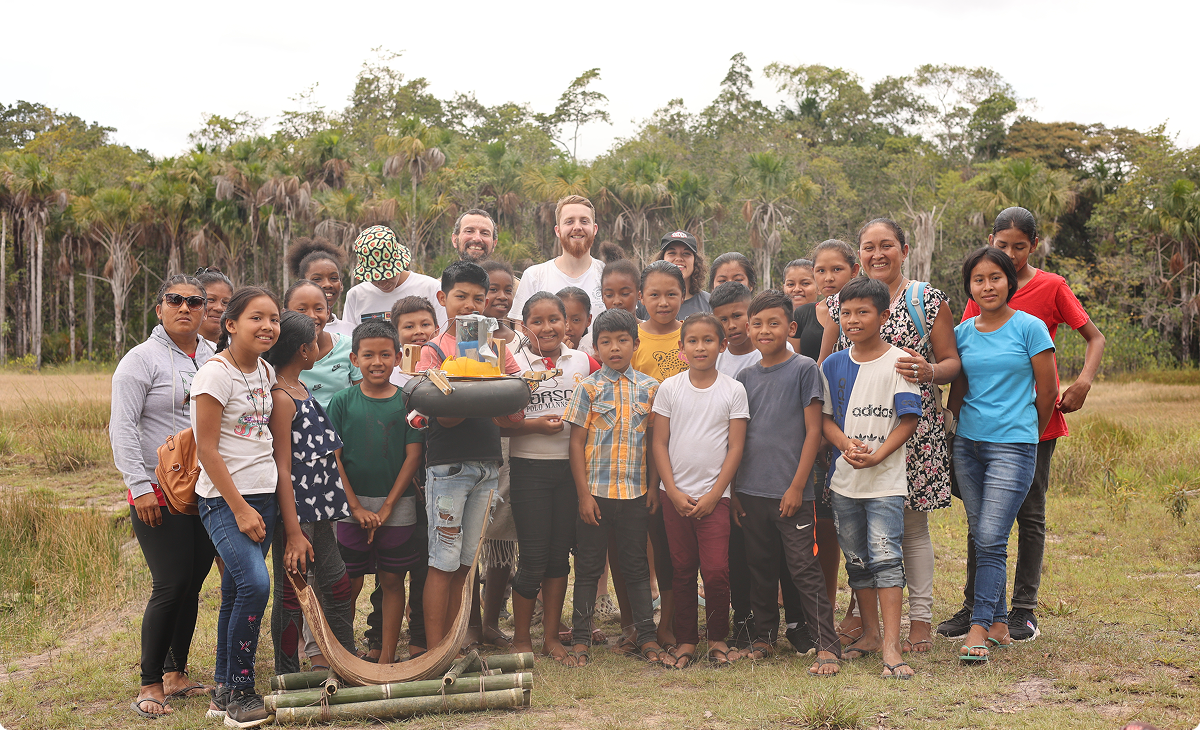
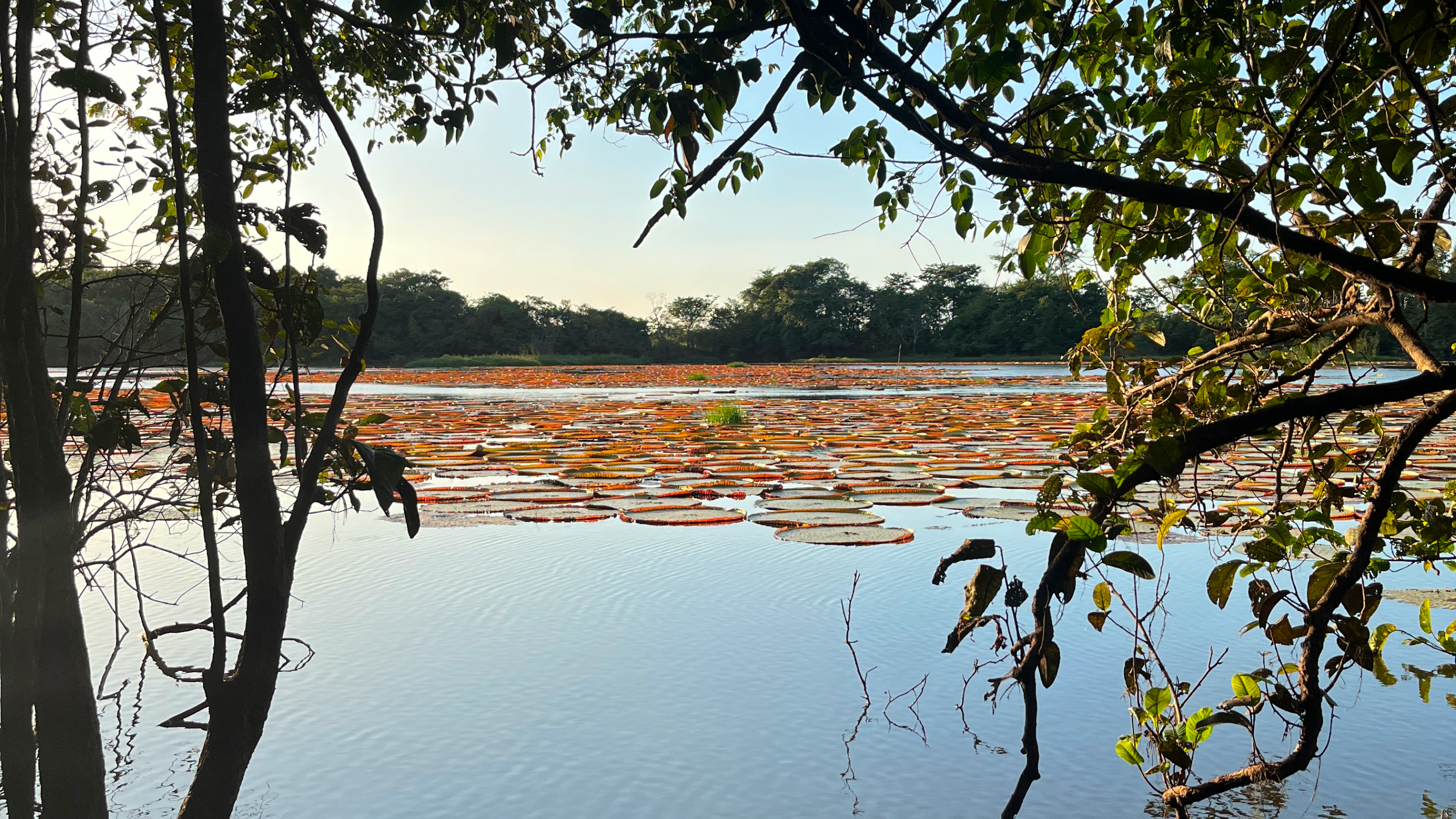
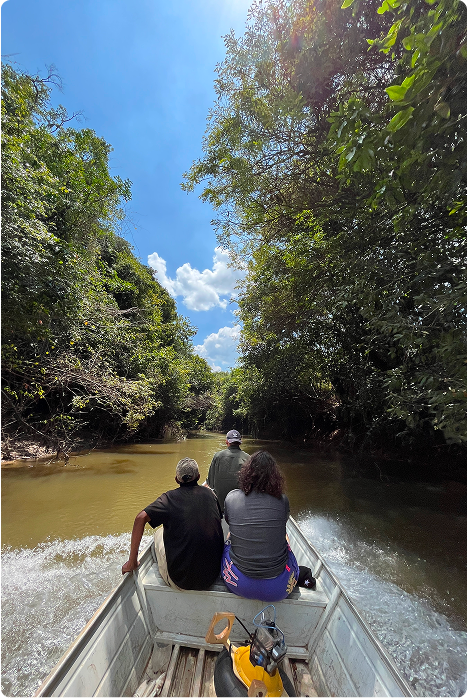
Collaborating closely with local Macushi indigenous communities in the Rupununi region of Guyana, we embarked on an immersive journey to understand the multifaceted challenges they face. Our work focused on promoting environmental sustainability by addressing the preservation of ecosystem health and biodiversity amidst various environmental threats, while also fostering community empowerment through increased local involvement in decision-making processes essential for sustainable development. By integrating indigenous wisdom with scientific insights, we aimed to facilitate holistic solutions that support effective resource management and the sustainable utilization of natural resources vital to community livelihoods. At the same time, our efforts underscored the importance of cultural preservation, safeguarding the rich heritage and identity of the Macushi people in the face of modernisation.
The Amazon
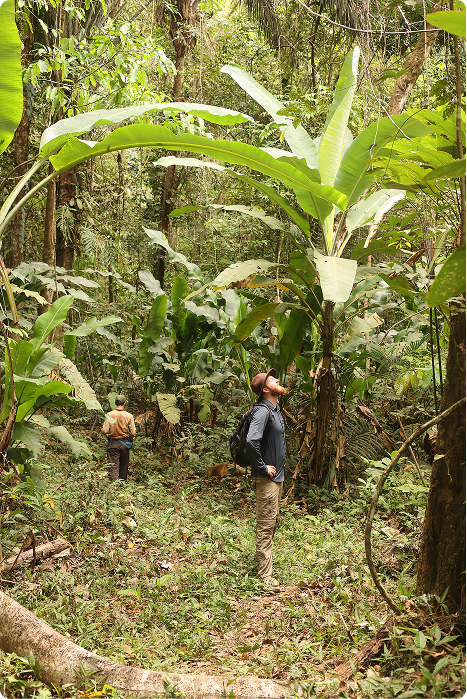
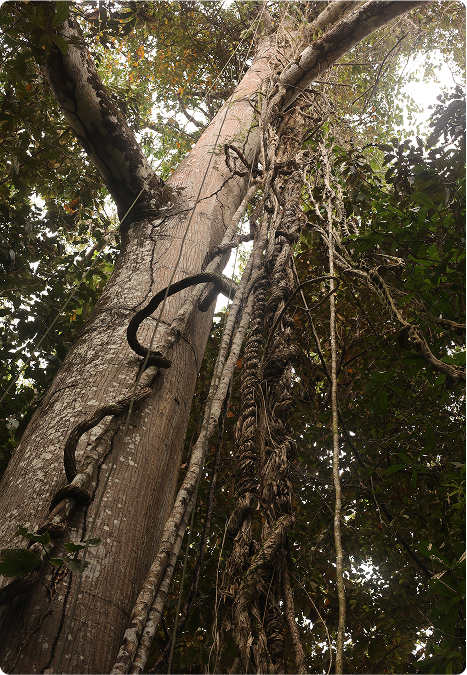
Working in a challenging natural environment required technical expertise, heightened focus, and deep cultural sensitivity. Listening, observing, and respecting local customs were vital, fostering a humble awareness of our role in the ecosystem and shaping my approach to design projects connecting nature and people.
High-Tech, Low-Tech, No-Tech
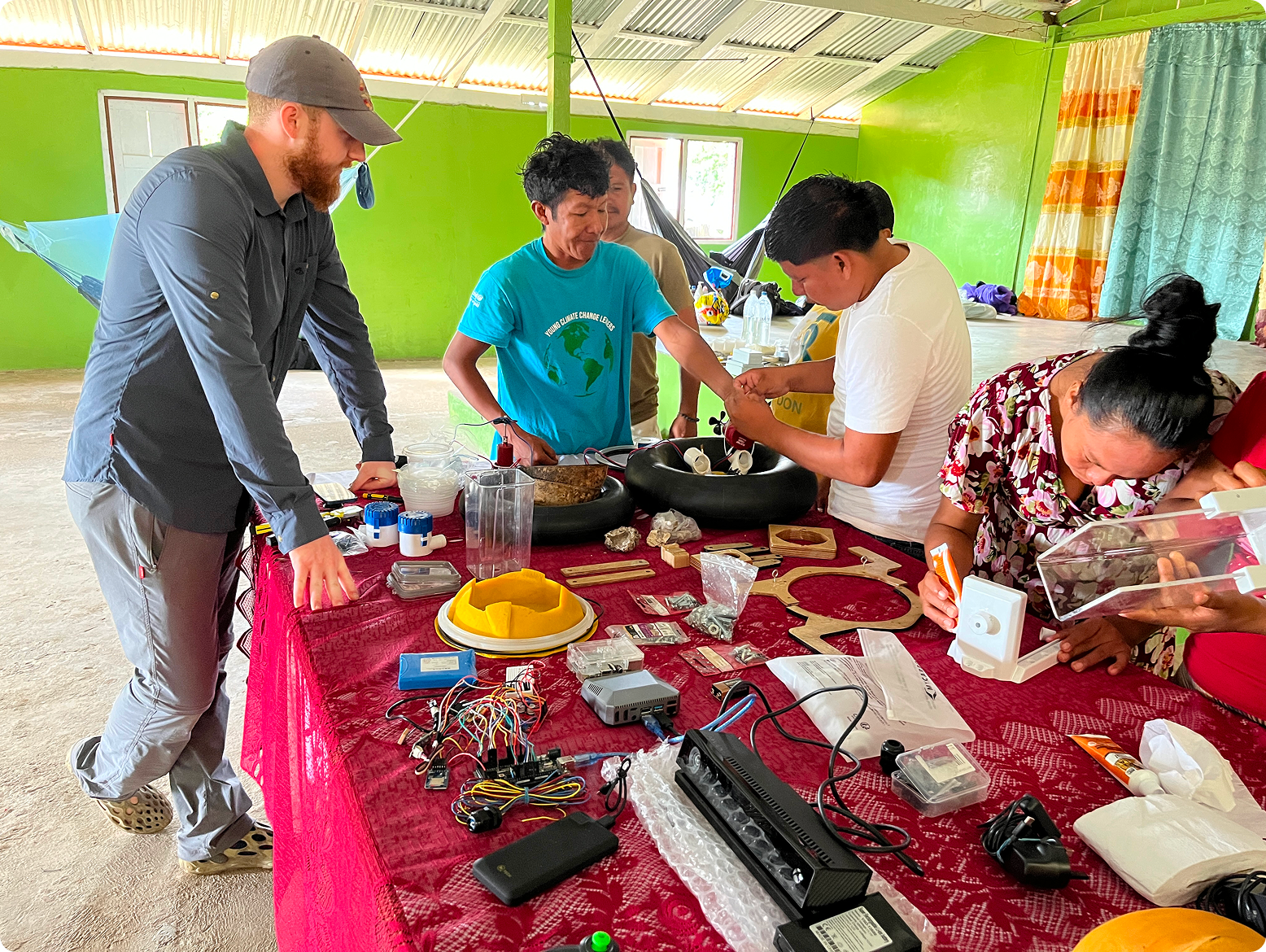
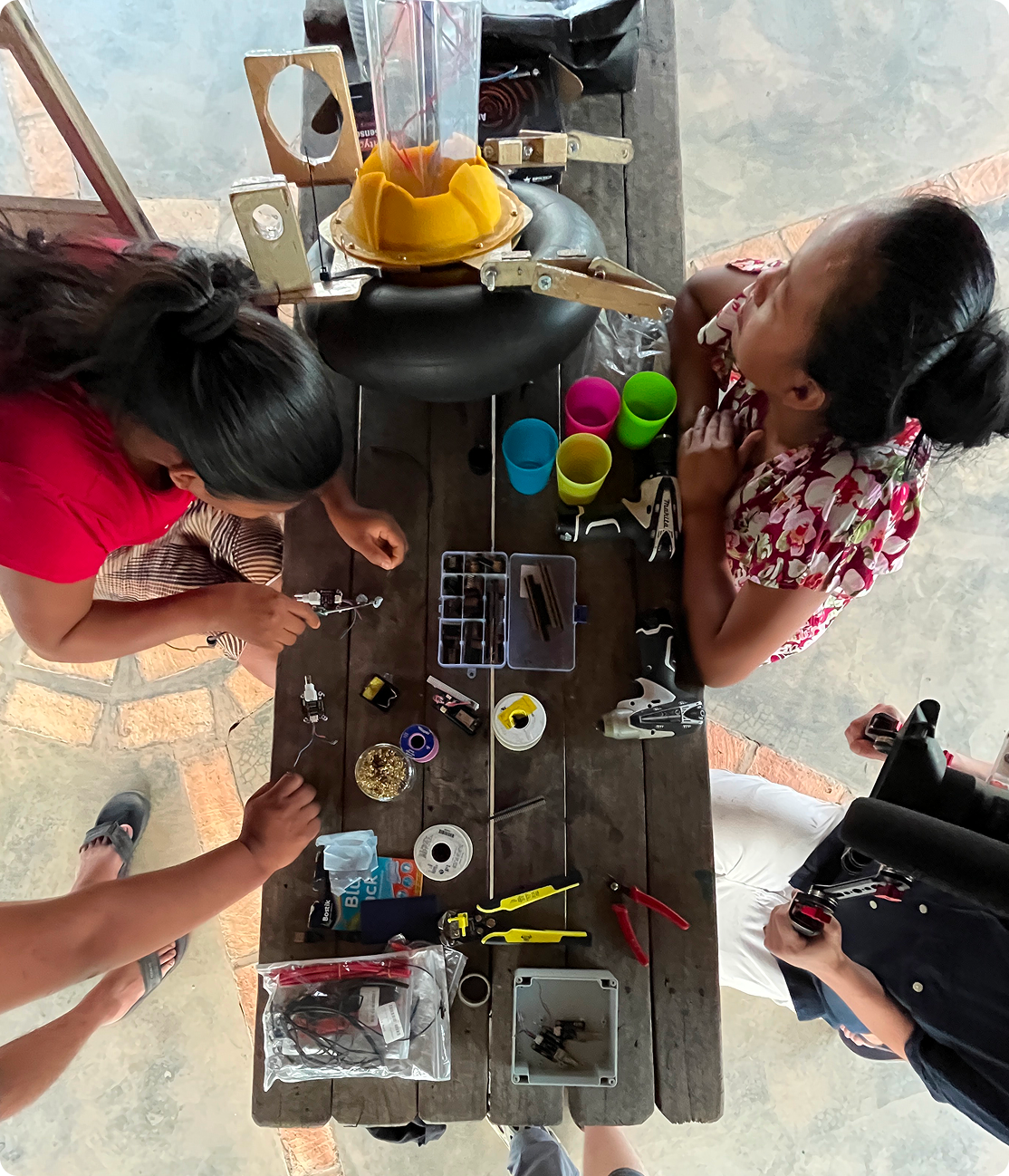
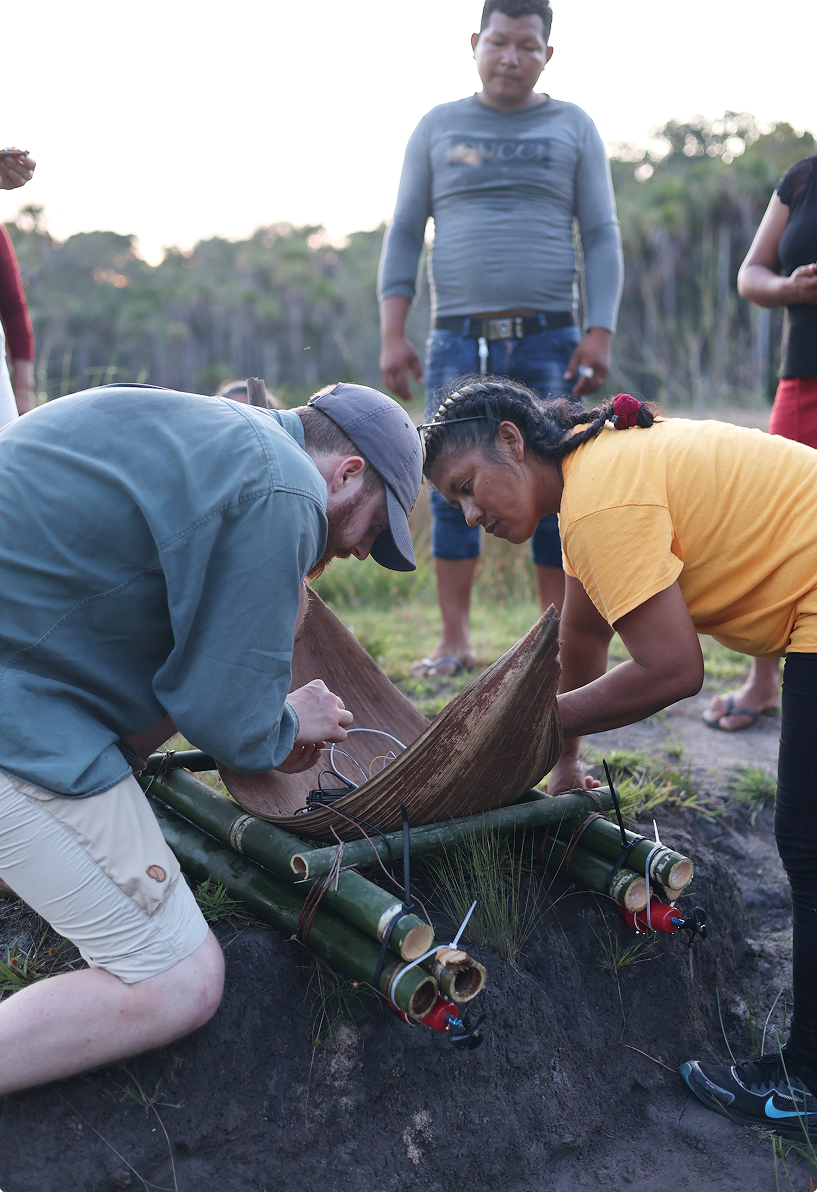
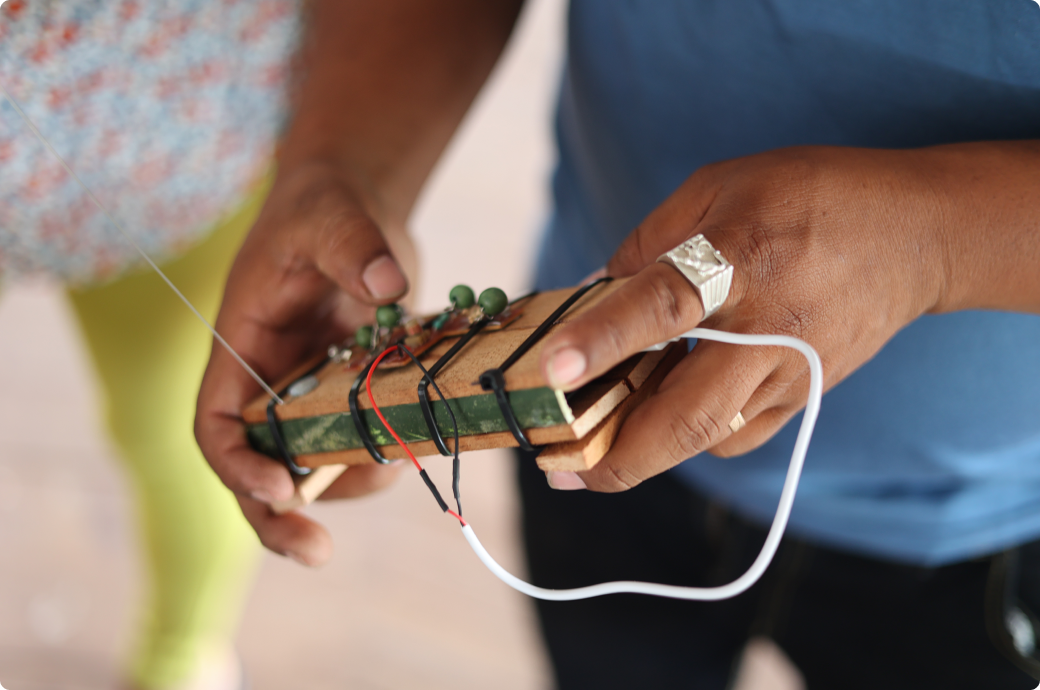
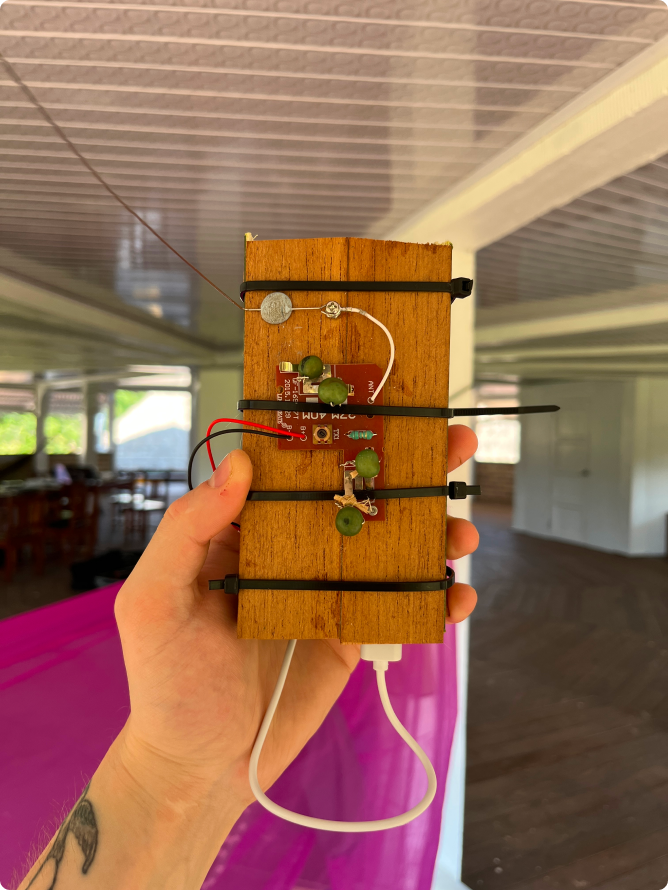
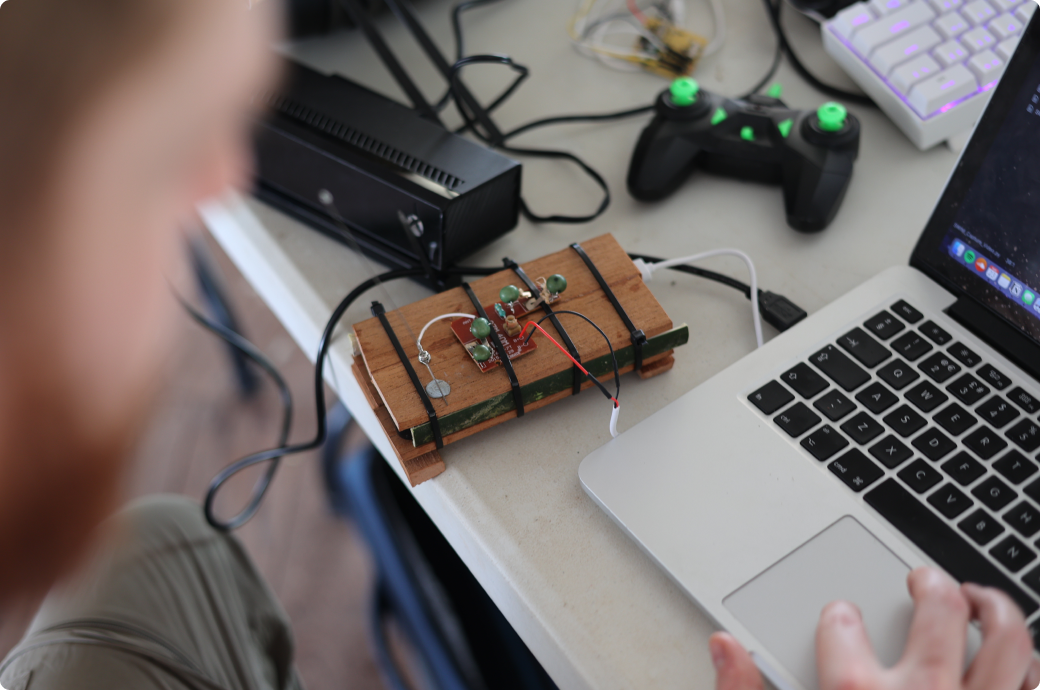
A defining outcome of our co-design workshops was a UAV radio controller crafted from locally sourced, sustainable materials.
By weaving traditional craftsmanship with emerging technologies, we demonstrated that innovation isn't always about complexity — it’s about resilience.
Designing with familiar, accessible materials made these systems easier to build, repair, and maintain locally, empowering communities to steward their own technologies without relying on fragile global supply chains.
This approach redefines progress not just as technological advancement, but as deepening the relationship between culture, ecology, and autonomy.
Data as democracy
Building Capacity
Creating an environmental monitoring system in this context required more than just technical skills — it demanded empathy, humility, and a deep respect for local knowledge systems.
Engaging with communities meant understanding cultural nuances and navigating sensitive conversations with care. True collaboration began when we stepped back, listened, and recognized our place within a much larger living system.
Through this work, I came to see data not just as information, but as a form of currency and a tool for democracy — empowering communities to advocate for themselves, protect their environments, and shape their futures.