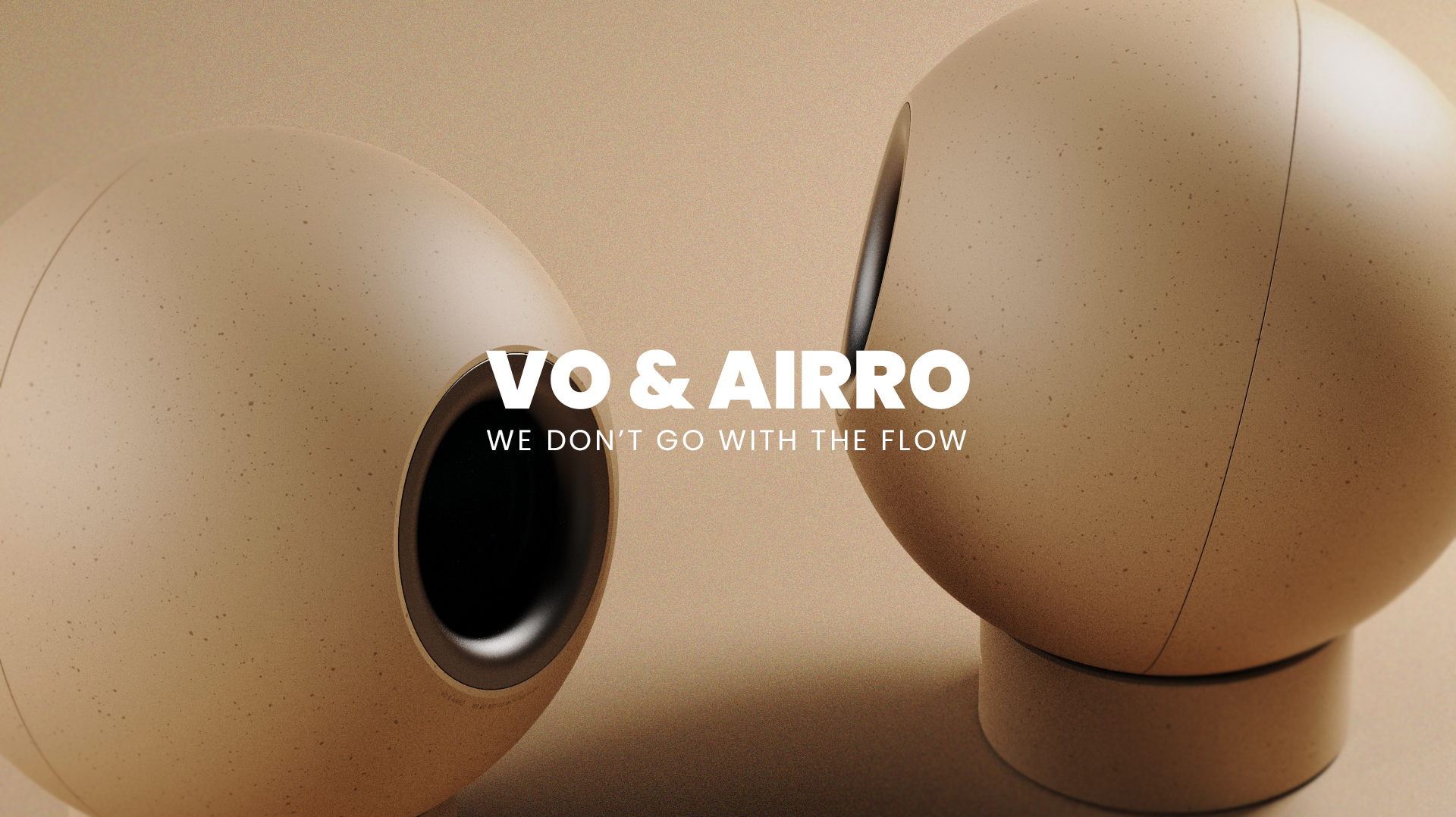

Vo & Airro
2021
Credit: Minwook Paeng, Yves Bartsch, Jehyun Kim
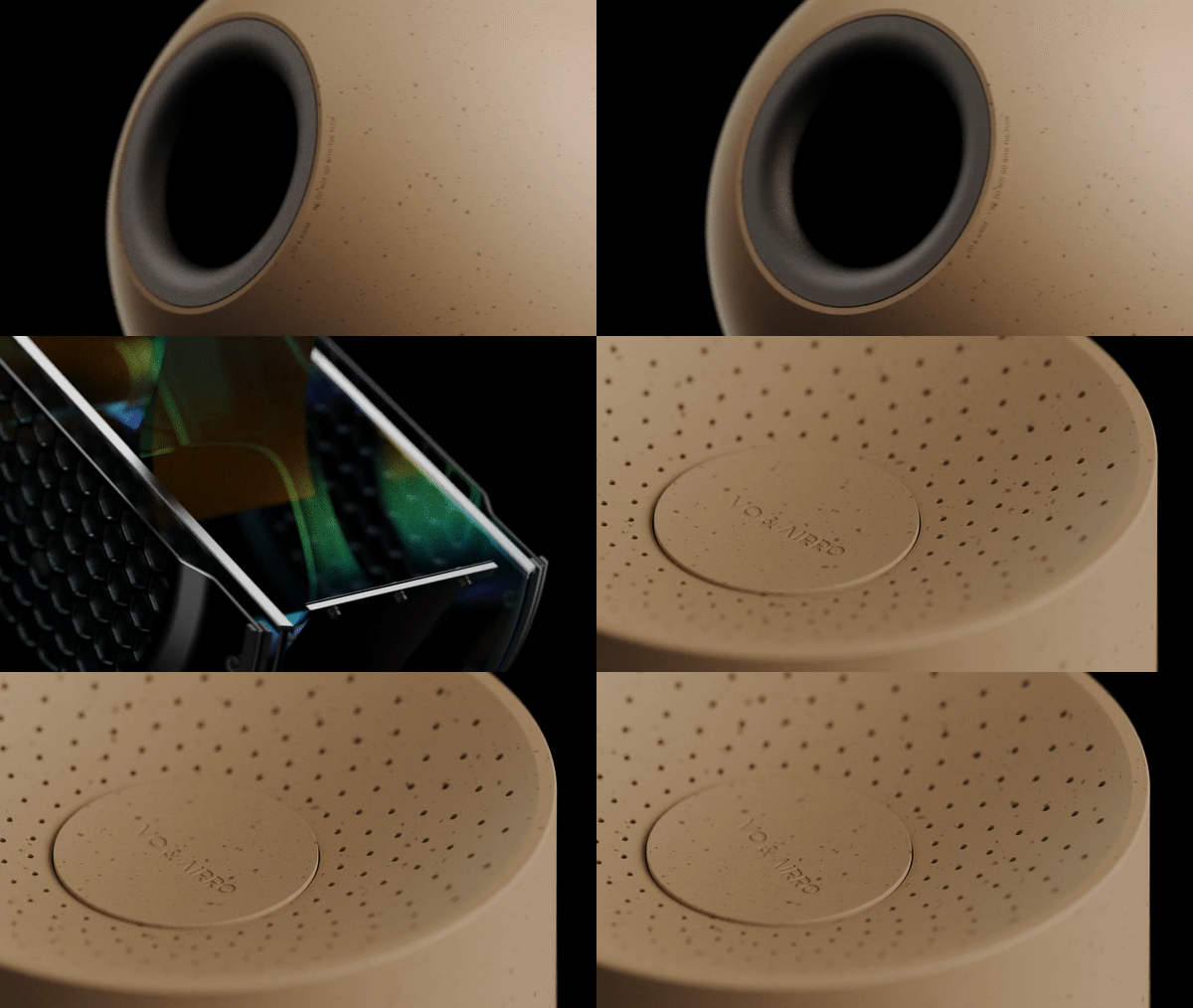
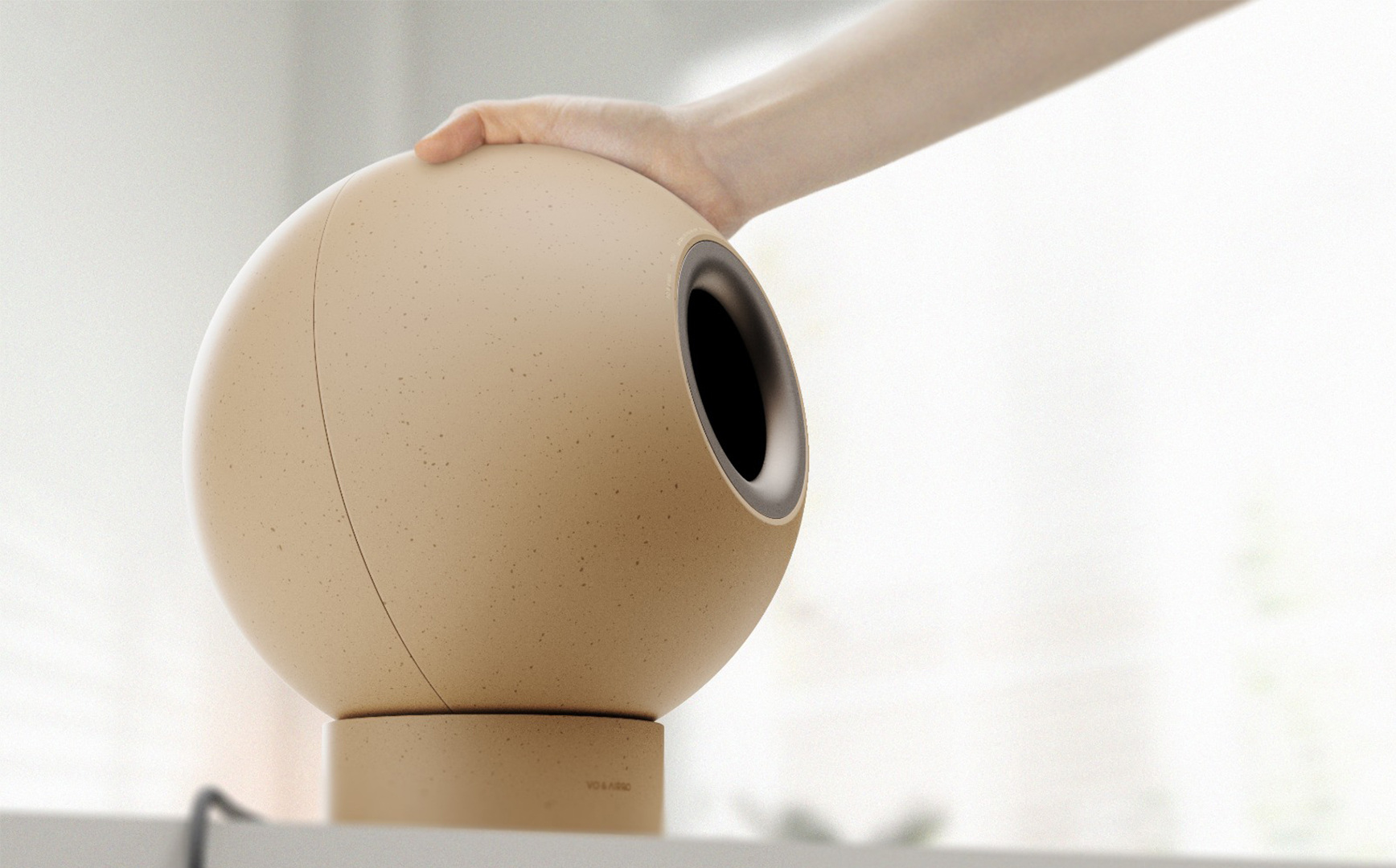
One warming planet. Billions of people in need of cooling. Copious amounts of energy are wasted in trying to keep people cool, especially with more frequent and intense warm-weather events. Vo & Airro gives a glimpse into the future of personal cooling and a sustainable way to keep people cool where airflow is precise and efficient, focused on the individual.



Problem
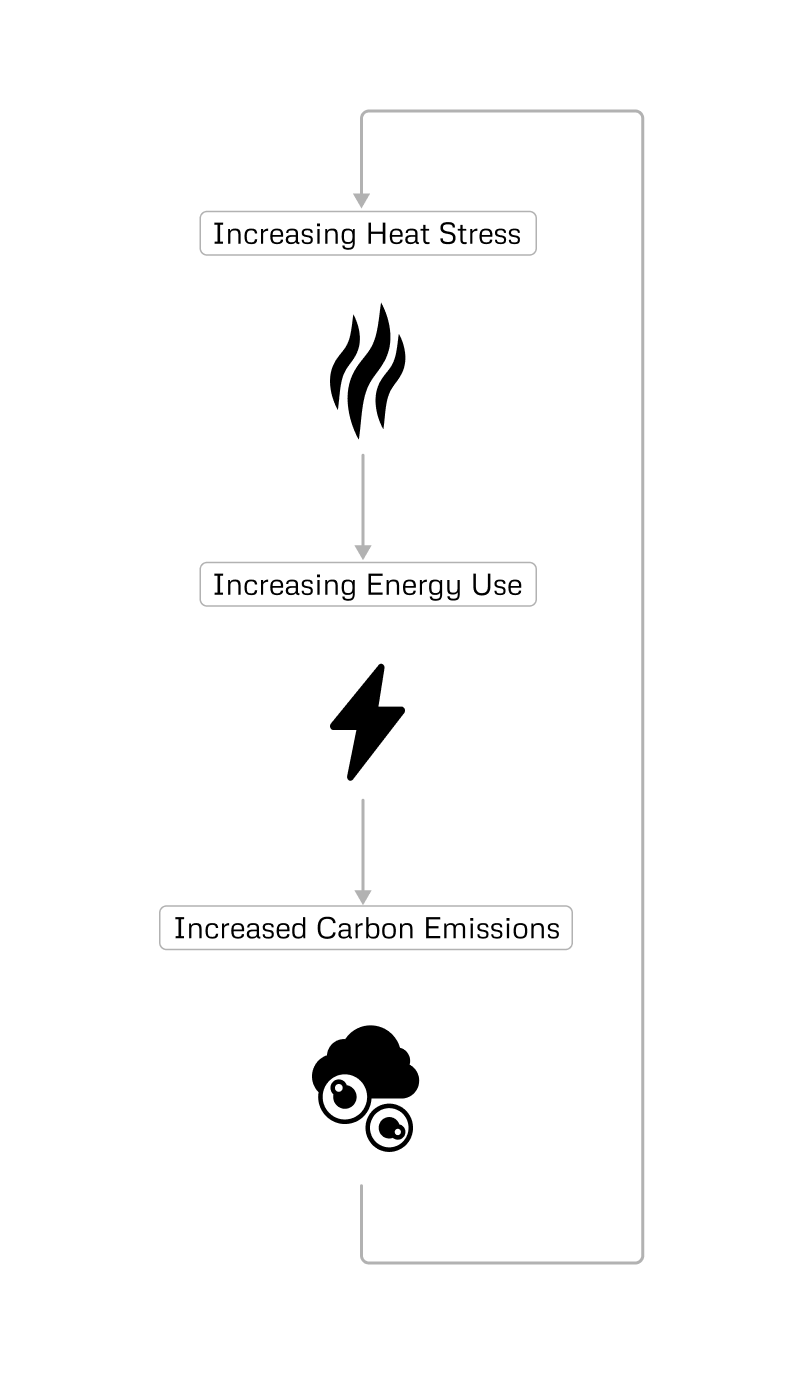
Currently, 10% of the world's electricity consumption is dedicated to cooling, a figure projected to triple by 2050. This trend poses significant challenges, making it costly and energy-intensive to maintain comfort in an increasingly warmer climate, thus creating a feedback loop exasperating the problem. Traditional cooling methods, such as cooling entire spaces rather than focusing on individual comfort, contribute to excessive energy wastage and heightened carbon emissions. Conventional air flow systems, for instance, often circulate air aimlessly, sometimes even in empty spaces, exacerbating the problem.
Keeping people cool is warming up the planet.
Vortex Airflow
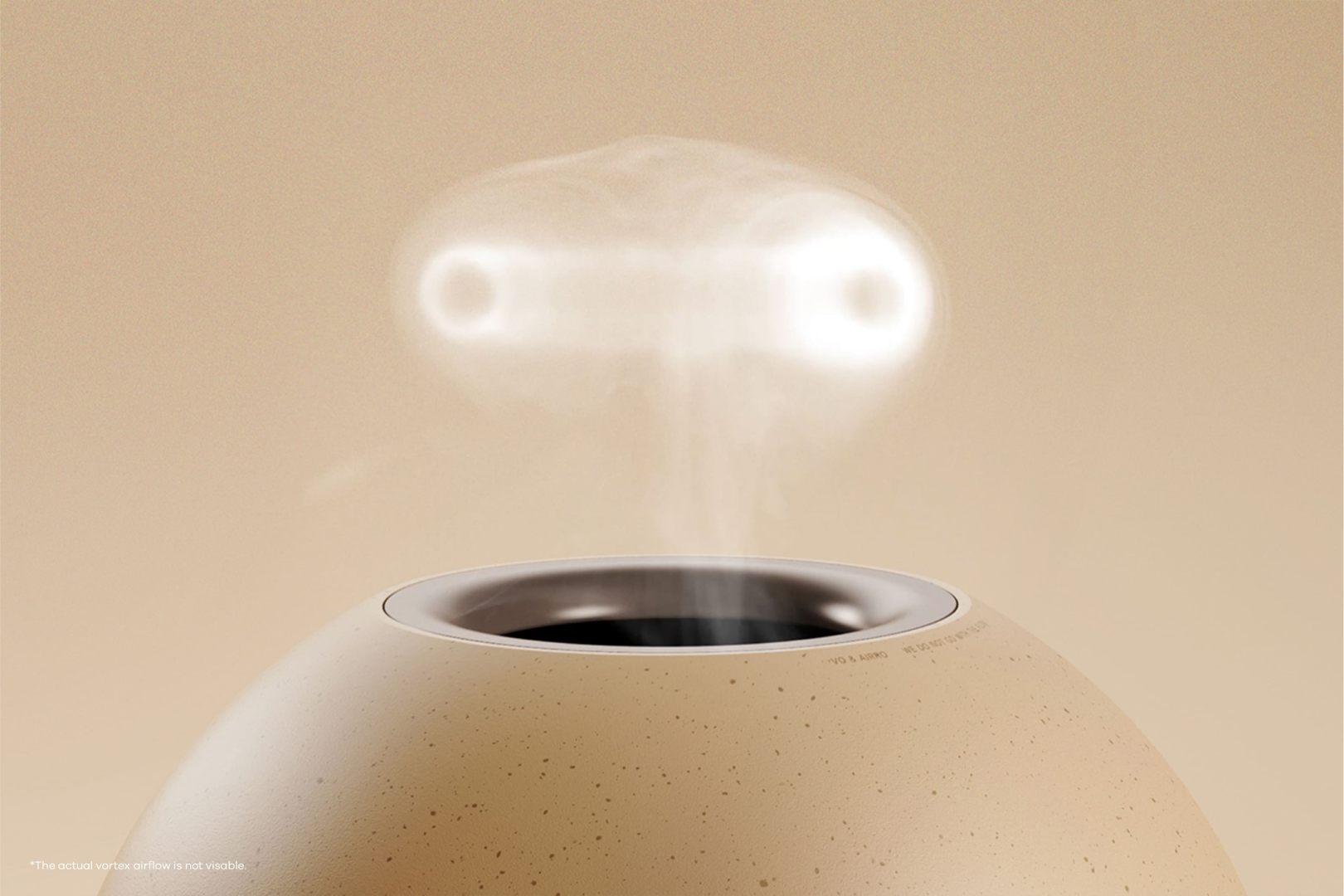
We embarked on an experimental design journey, exploring diverse airflow mechanisms to address the challenge of cooling individuals efficiently. Our investigation delved into both passive and active methods of vortex generation, employing various techniques to optimise actuation, cooling, and chamber configuration. Through rigorous experimentation, we discovered that vortex rings offered a compelling solution, particularly for targeted airflow over extended distances. These rings, characterised by their ability to retain kinetic energy during propagation, proved remarkably efficient. Unlike conventional airflow, which disperses randomly, vortex rings can be precisely directed to specific areas, minimising energy loss and maximising cooling effectiveness.
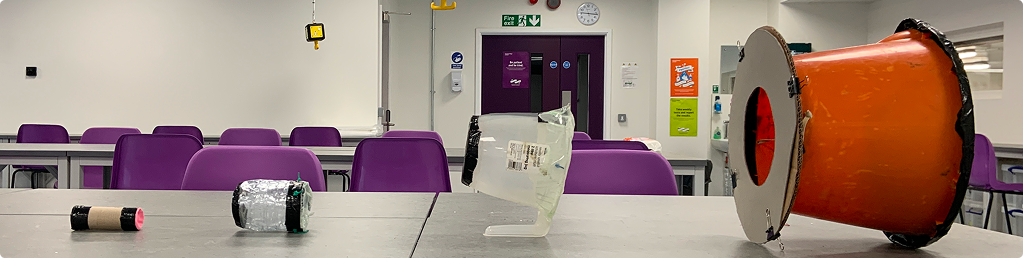
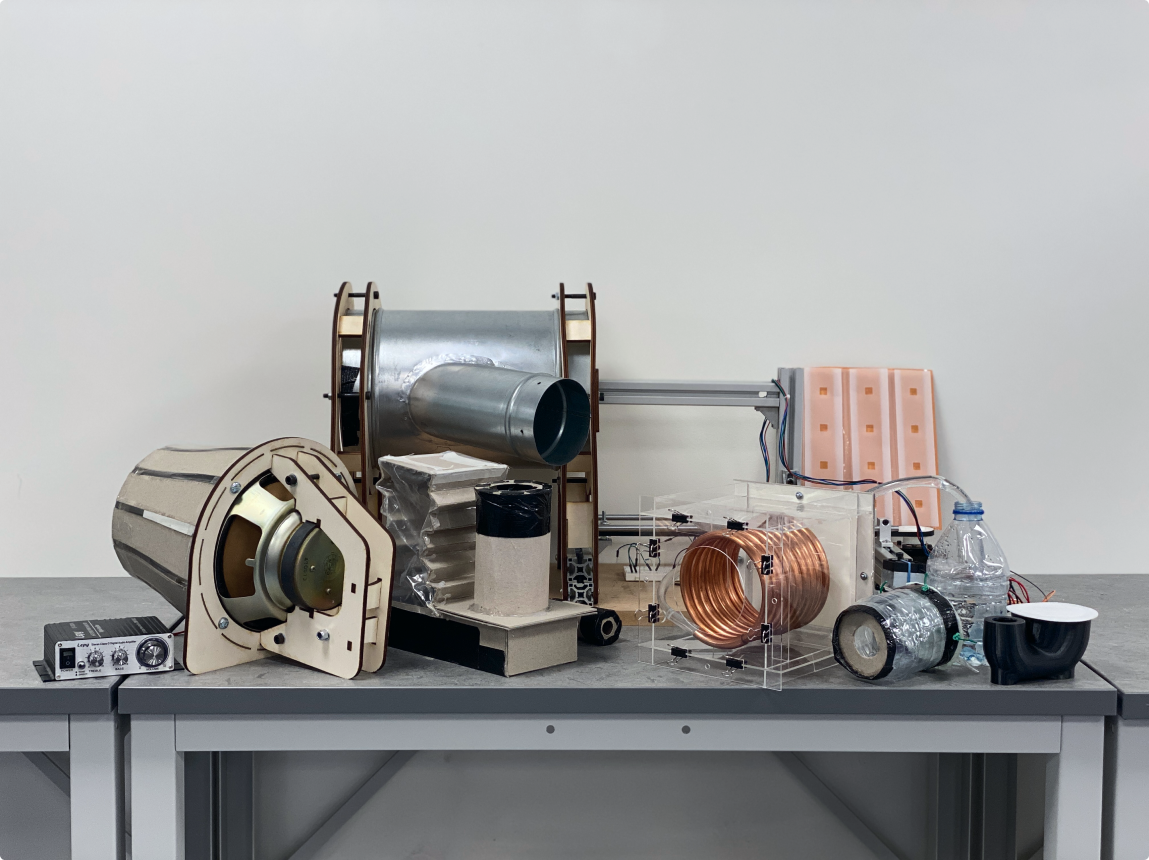
Why cool a whole room, when we only need to cool a person?
1 Watt of Power
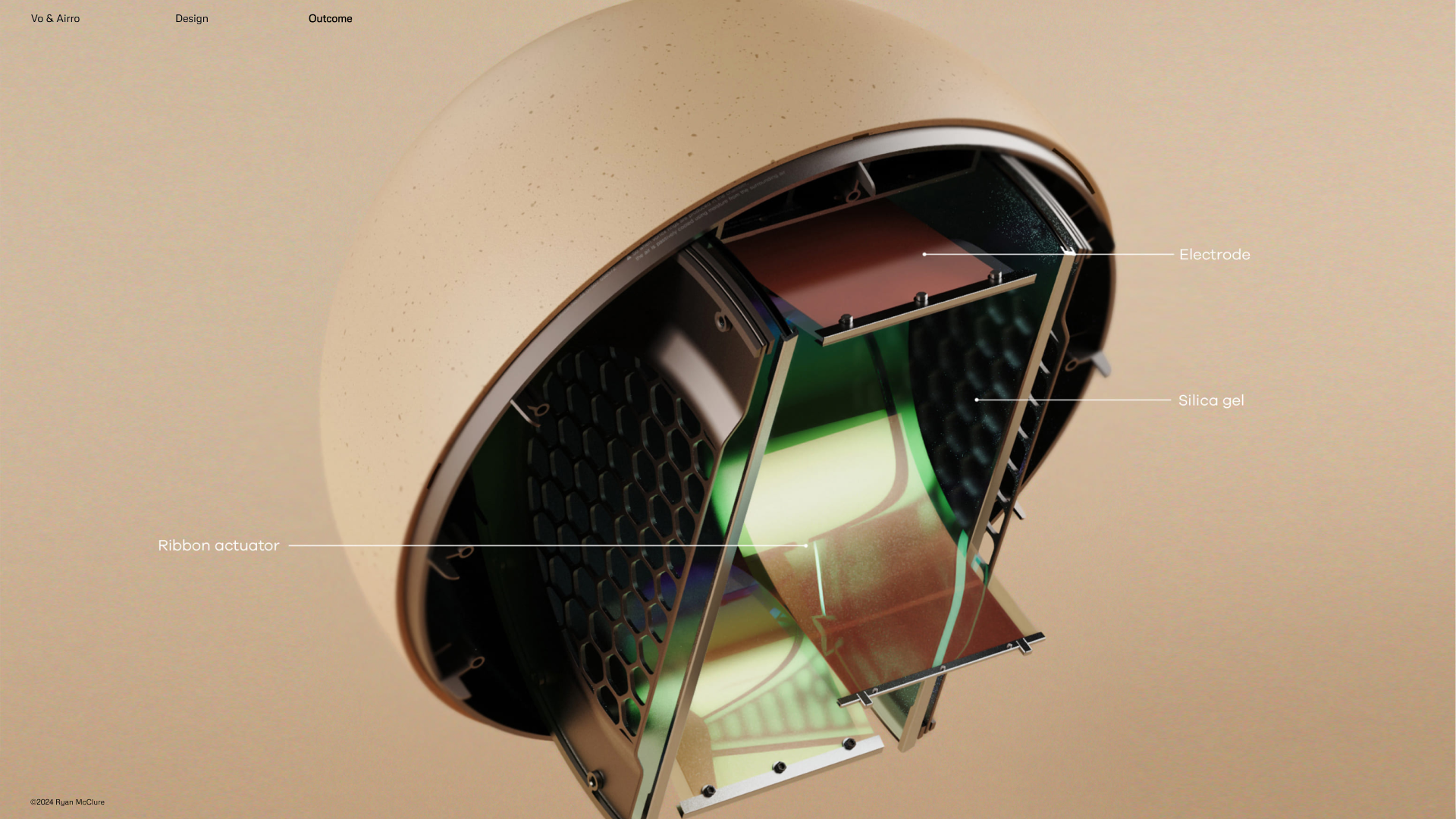
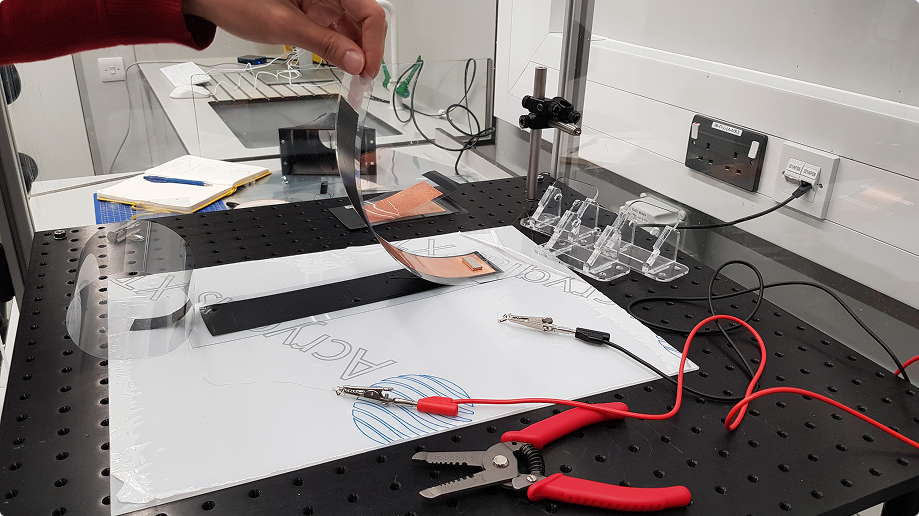
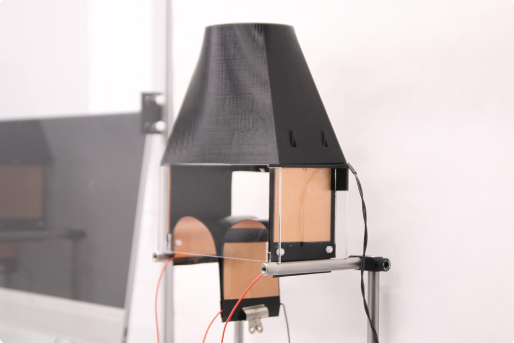
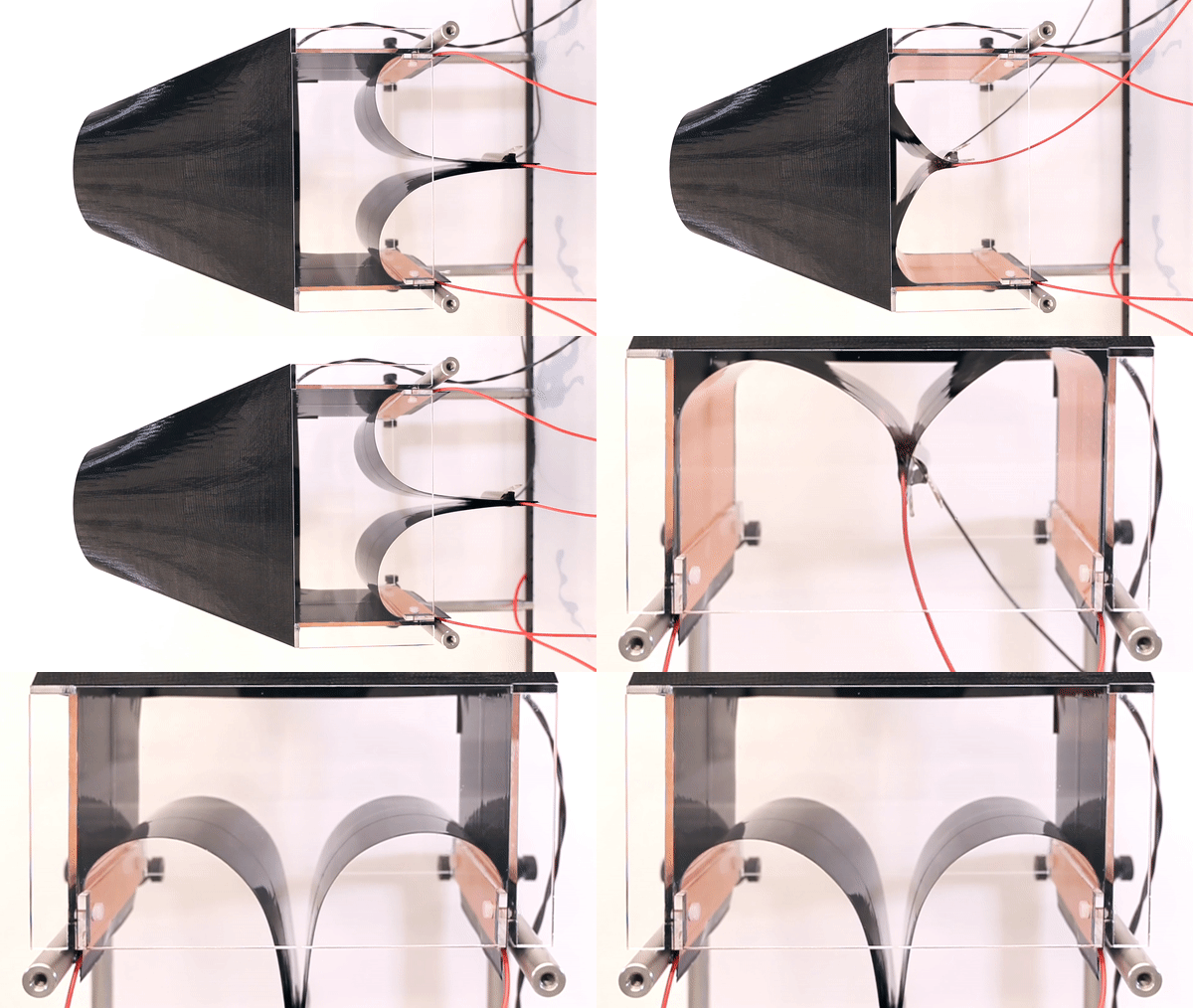
Our device uses a novel form of extremely efficient actuation to generate airflow and only requires 1 watt of power. Initial tests showed that we could push air with around 1 watt of power. In comparison, fans and air conditioners (ACs) use up to 30x-300x more power. Producing as much noise as a whisper, our prototype had potential to have a much better user experience when compared with noisy fans and AC units, especially in environments like hospital wards where sleep, recovery time and cost are heavily interlinked. This can drastically reduce the amount of energy required to keep people cool, cutting carbon emissions and allowing cooling to become a lot more cost-effective.
The Future of Cooling
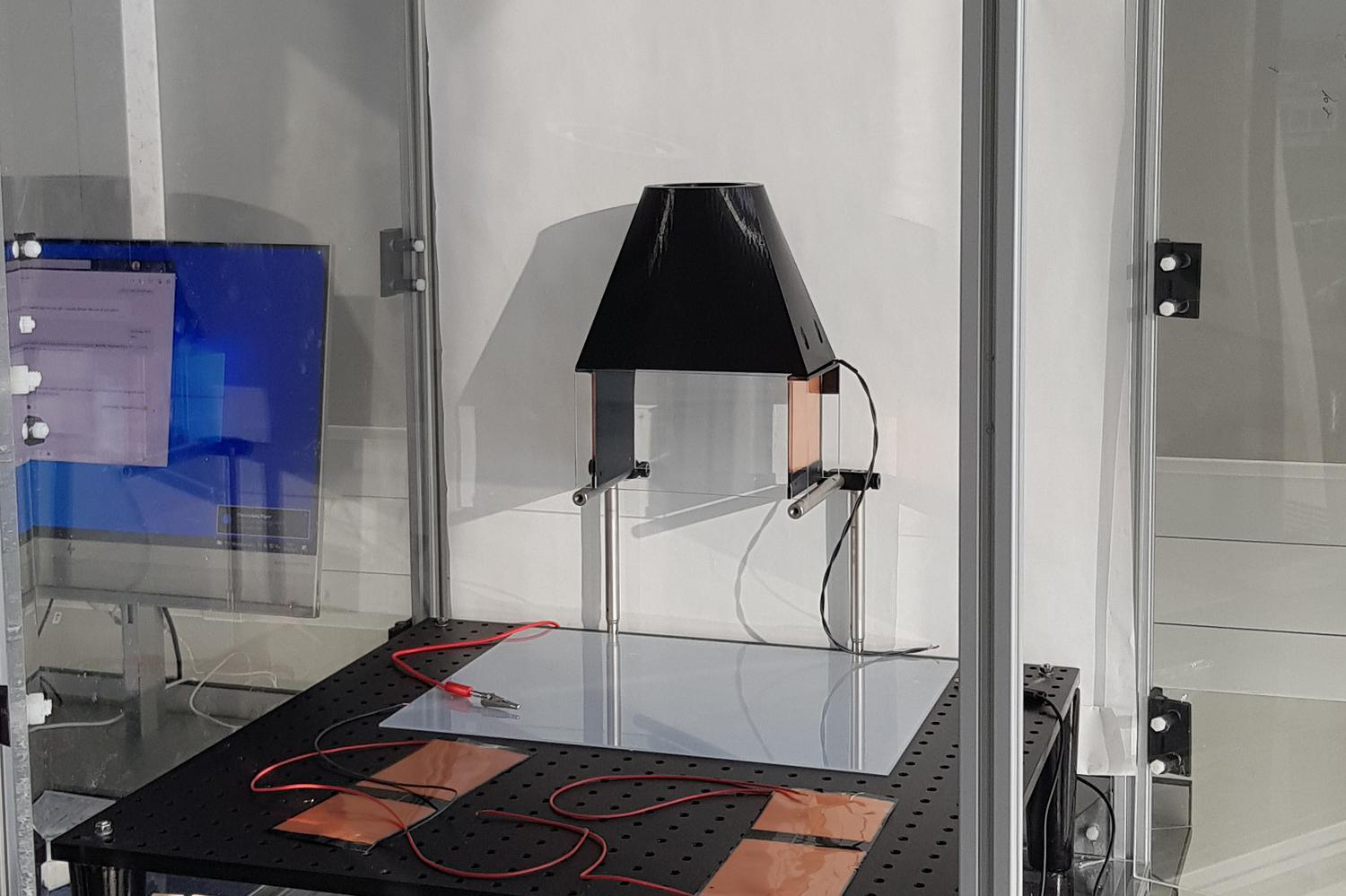
Our proof of concept uses this novel form of extremely efficient and silent actuation to generate airflow. This can drastically reduce the amount of energy required to keep people cool, cutting carbon emissions and allowing cooling to become a lot more cost-effective. Our final design encapsulated this technology into a final experimental form where the size and range of the vortexes could be adjusted based on power and the exit hole.